Telemedicine saves time and money for a doctor and a patient
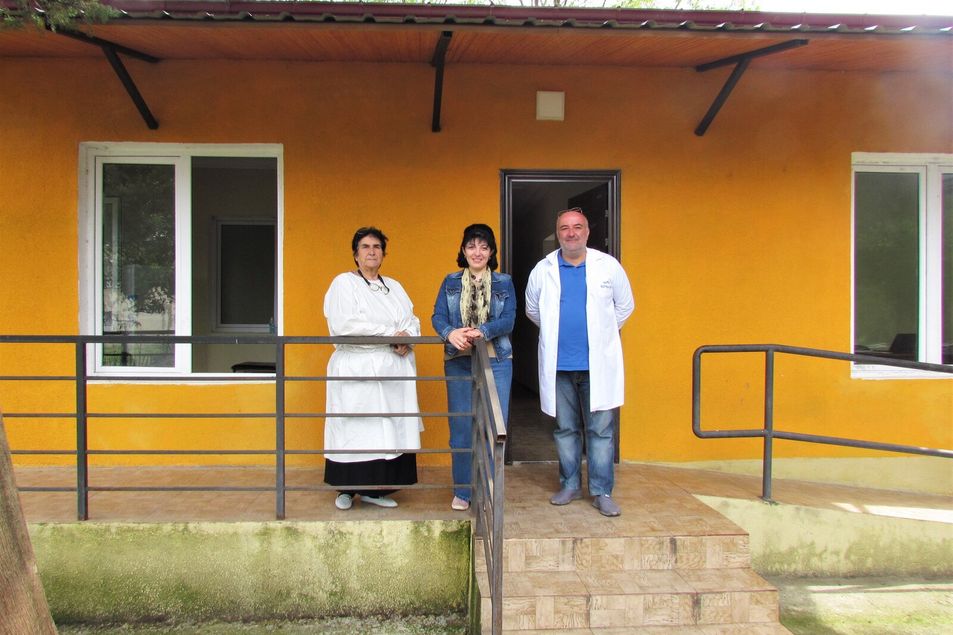
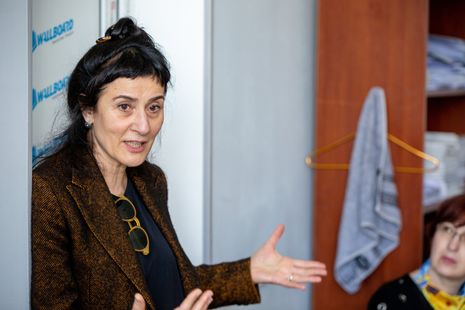
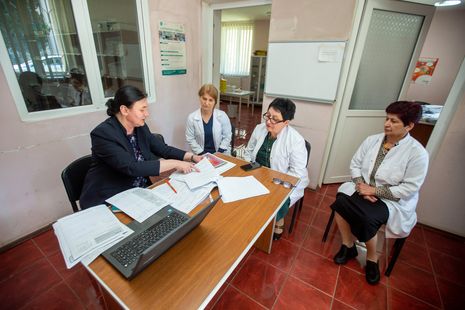
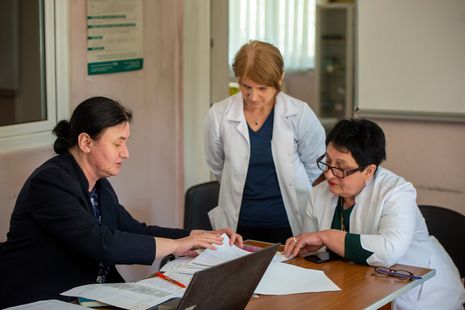
Tea Sakhokia, a family doctor from the municipality of Senaki, has been cooperating with Caritas Czech Republic for many years and involved in various training sessions offered by our organization for family doctors, not only as a participant but also as a quality facilitator of clinical processes. In a project supported by the European Union (EU) and the United Nations Children's Fund (UNICEF), Tea was a quality manager and worked on the implementation of telemedicine services in seven pilot rural ambulatories under her supervision. According to her, the activities of the project have achieved incredible results in just four months and she hopes that the work in this direction will continue.
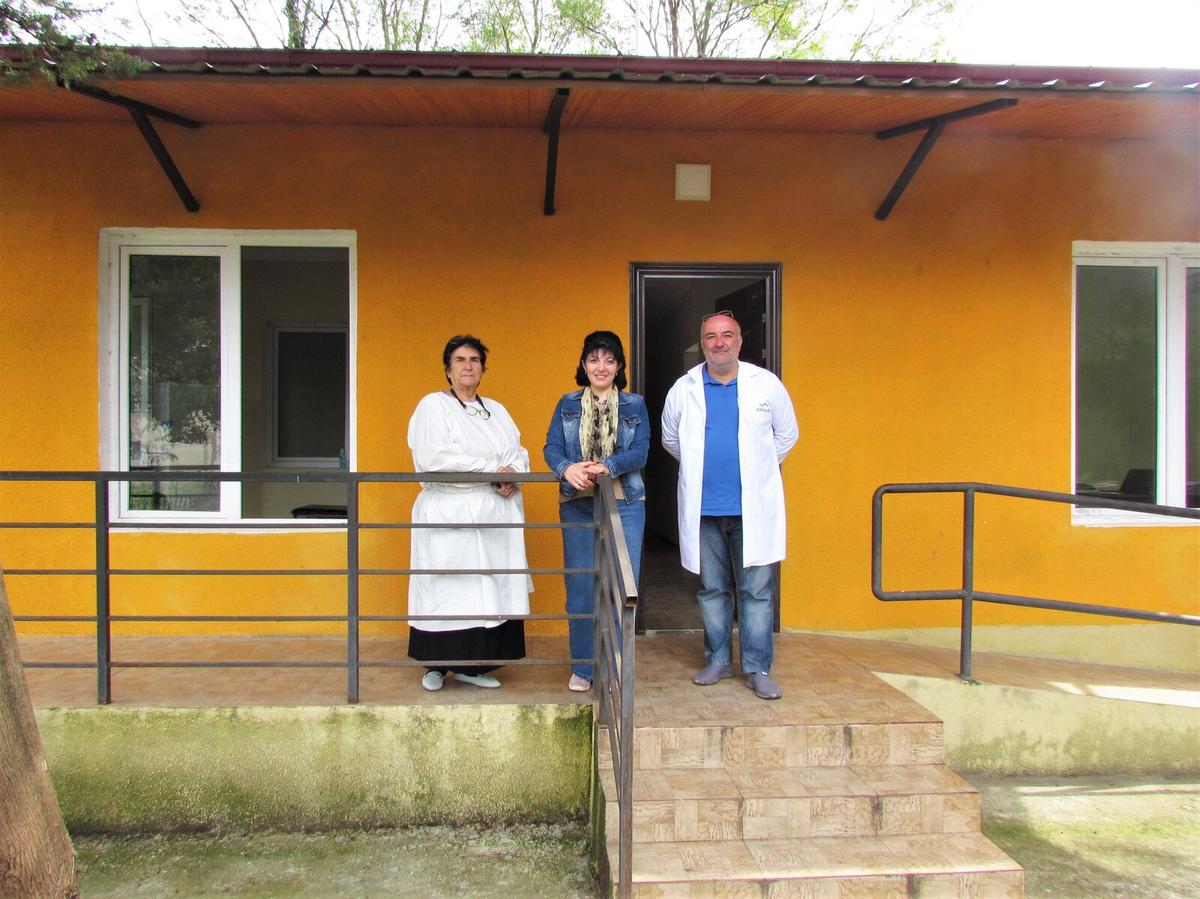
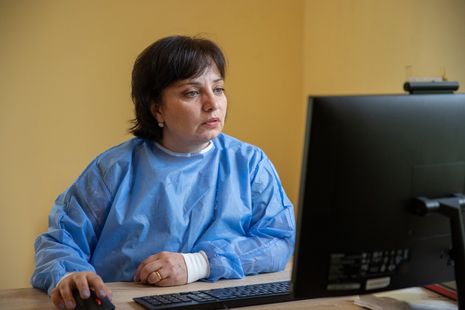
At the initial stage of the project, 10 pre-trained quality managers across the country assessed the situation in the rural ambulatories under their supervision. After that, the quality managers piloted the early childhood growth and development electronic modules in 50 rural ambulatories, taught the village doctors how to use the aforementioned electronic module, introduced them to the practice of telemedicine, and provided appropriate training sessions. Although information systems and telemedicine were new to rural doctors, working in the telemedicine electronic module was not difficult for them:
"However, it was necessary not only to learn from us how to work in electronic modules but also to know the clinical guidelines of primary healthcare. This knowledge would allow them to work freely in the module, where all the patients of a particular family doctor are registered, and the module itself has many functions and filters - be it filtering by area, age, or clinical parameters - to simplify the work."
Tea explains that there is no such obstacle that can hinder the course of these important processes. According to her, even in cases where the child is diagnosed with a developmental delay or a risk factor is identified, the family doctor is not alone – they have a team of specialists with whom they can not only consult themselves but a patient can book an online visit and consult as well:
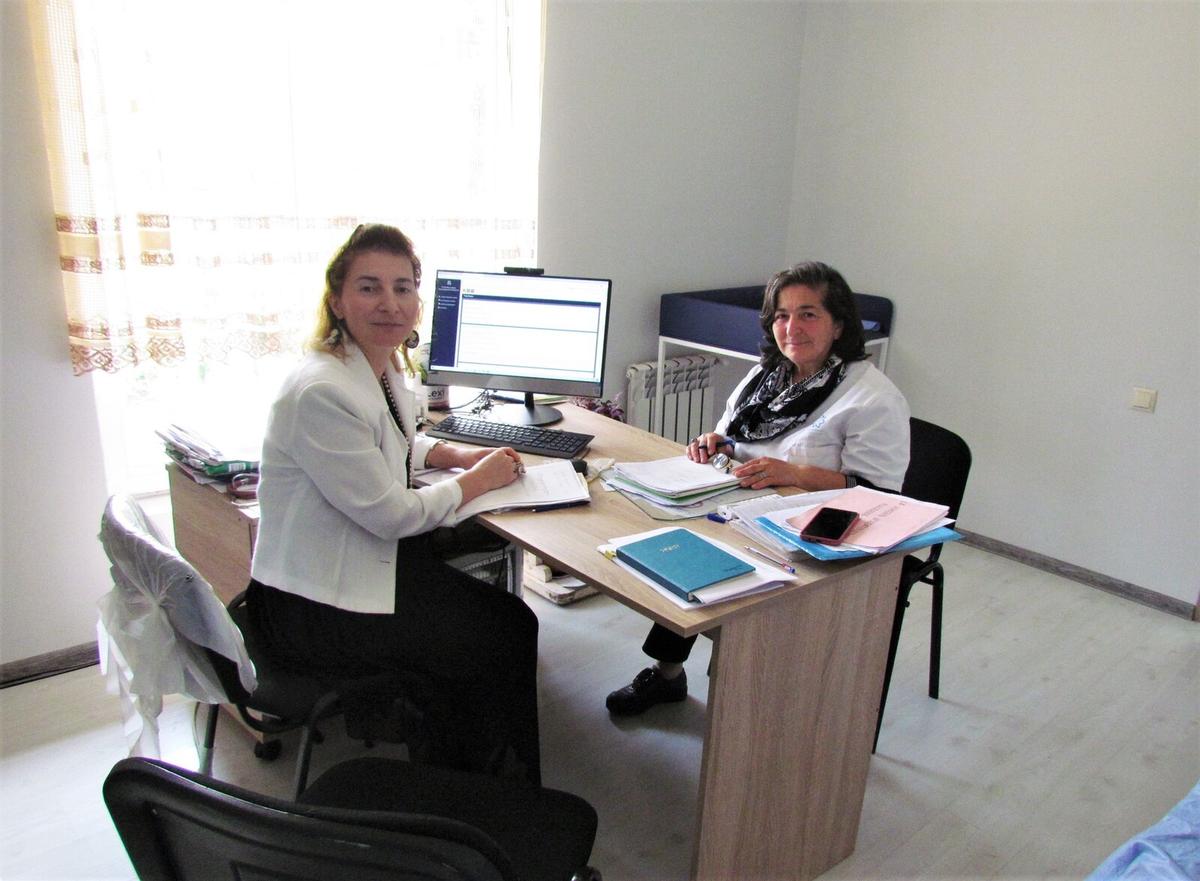
"It should be noted that many patients do not understand the specifics of remote consultation, and the doctor has to explain its benefits in a language they understand. Telemedicine saves time for a doctor and patient and reduces costs, especially when a patient has to come from another village. Therefore, this project is the greatest support for family doctors at the primary healthcare level. Children with developmental delays and/or at risk, patients who have to be screened, will receive a very high-quality service in this format."
Importance of the activities carried out within the framework of the project for village family doctors
In recent years, maternal and child health support in primary health care has become one of the priority areas of Caritas Czech Republic's work, especially during the COVID-19 pandemic. After three successful projects supported by UNICEF, in July 2022 we launched a new initiative aimed at developing remote services and establishing a "Primary Healthcare Quality Assurance and Quality Improvement Hub" to ensure the quality of maternal and child health services. The project covered 50 outpatient clinics across the country.
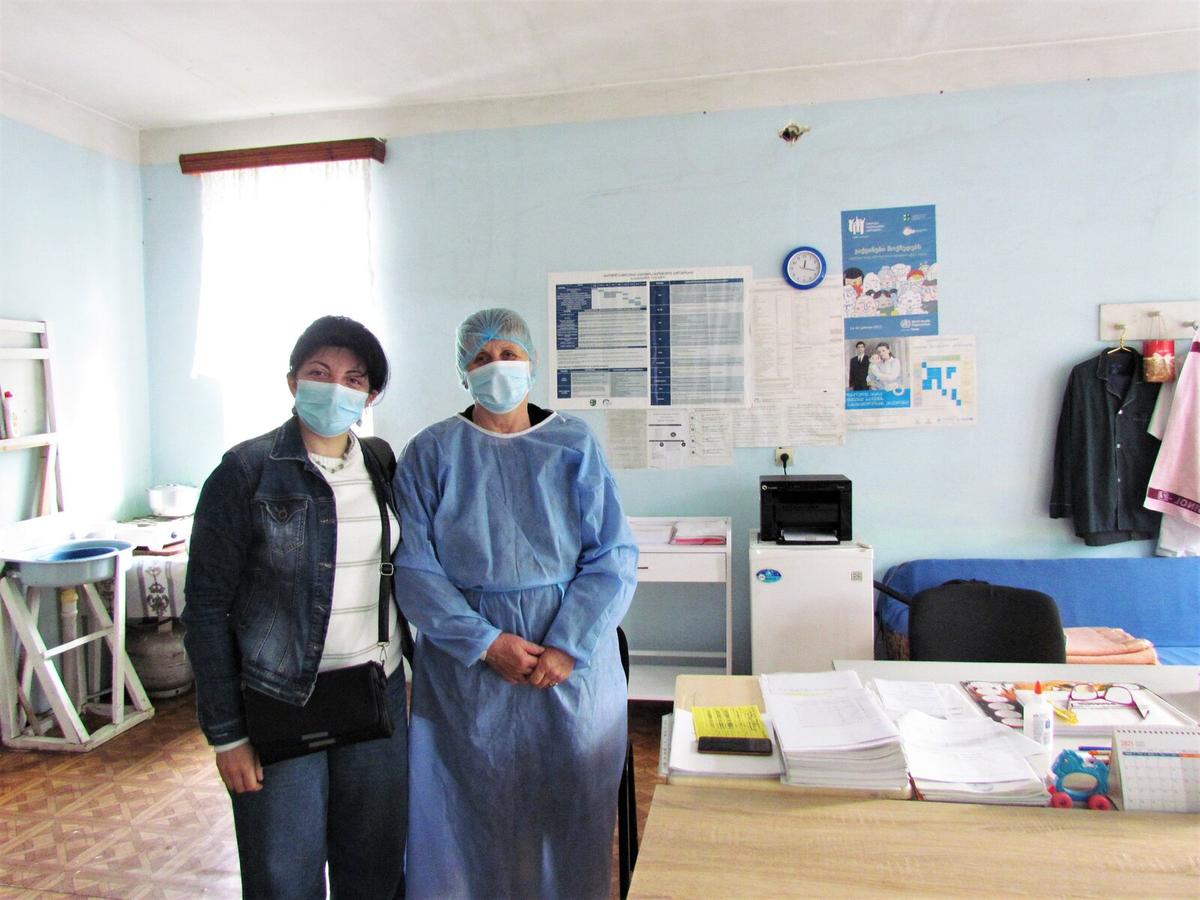
Within the framework of the project, experts and quality managers of Caritas Czech Republic conducted training sessions in pilot medical institutions to promote the introduction of remote consultations within the supervision of the development of children aged 0-6 years. In addition, doctors were involved in technical training sessions, too. During the project, to improve the capacity and practical skills of the village doctors, the quality managers had continuous communication with them and received feedback regarding various clinical and technical problems.
Nurses of the pilot institutions of Khobi and Senaki municipalities and other rural ambulatories underwent face-to-face training on the importance of nursing and multidisciplinary work in supervising the development of children aged 0-6 years. The main focus of the training was to make primary healthcare nurses aware of their role and responsibilities in child health healthcare and prevention.
In the mentioned pilot rural ambulatories, the quality of monitoring the health and development of children aged 0-6 years has improved - the awareness of doctors regarding remote medical consultations has increased, which allows them to fill the gaps in monitoring the development even in the case when it is caused by the problem of making a face-to-face visit to a medical institution (for example, the lack of transport, the child's illness, etc.)
The project laid the foundation for a quality monitoring and telemedicine hub for maternal and child health services, which brought together primary health care experts from the Association of Family Medicine Professionals of Georgia, family physicians, and early development specialists. The hub will allow rural family doctors to timely involve the appropriate specialist in the management of a suspected case of child development and also to timely refer the patient to the early intervention service.
Caritas Czech Republic continues supporting Georgia's primary healthcare at a systemic level.