

Country Office in numbers
- We started in 2015
- 15 employees
- 26 implemented projects
Development cooperation and humanitarian aid are only possible thanks to our donors and partners. We strive for the most efficient use of financial resources and maximum transparency towards supporters. Our projects are subject to strict financial and process control and meet internationally valid standards. How do our donors participate in our activities and who are they?
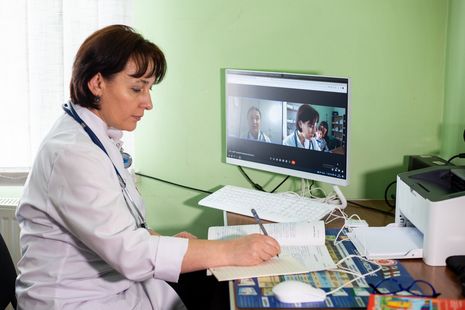
Mental health problems often present at the primary care level. Sometimes, a patient shares only somatic complaints with their family doctor and does not mention any emotional or psychological problems at all. In some cases, these complaints may be related to underlying mental health problems. This is why strengthening the mental health component of primary care is particularly important: the family doctor is the first point of contact for many patients. Against this background, it is especially important for family doctors to be able to identify problems in a timely manner, assess their severity accurately and, where necessary, manage the patient or refer them to a mental health specialist.

Adolescence is one of the most important stages of human development. It is during this period that personality is shaped, emotional and social relationships are formed, and the foundations for an independent life are established. At the same time, many mental health problems first emerge during these years. However, the early signs are often overlooked or simply attributed to adolescence.
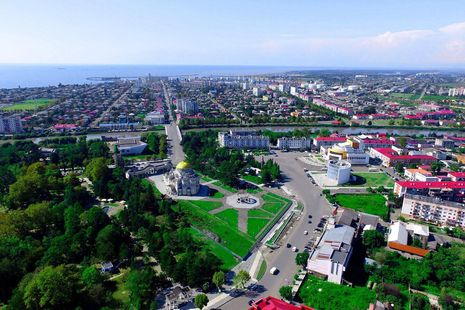
As climate change continues to affect communities across Georgia, Caritas Czech Republic with support from the German government, is launching a new initiative that will help make the city of Poti greener, healthier, and better prepared for the future. The "Growing Resilience: Nature-Based Microspaces for a Greener Poti" project will introduce practical nature-based solutions that improve public spaces while helping the city adapt to challenges such as flooding, heatwaves, droughts, and rising sea levels.

Project aim: enhance climate resilience and the quality of urban life in Poti Municipality through proposed nature-based solutions and increase public awareness.
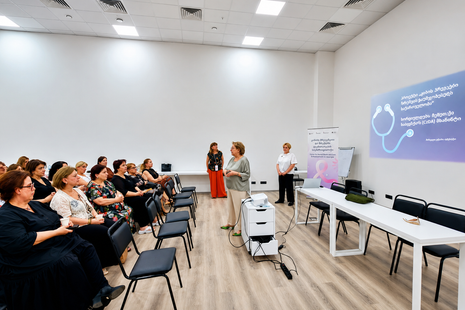
In 2026, Georgia’s primary health care (PHC) system entered a new phase of reform. Financial incentives are increasingly linked to quality indicators, placing greater emphasis on the management of non-communicable diseases such as hypertension and diabetes, as well as on the ability of family doctors to guide eligible patients towards cancer screening services.
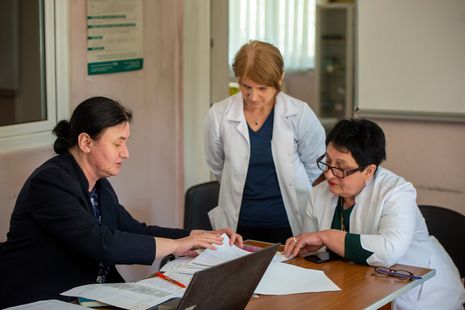
As the world marks World Health Day this week, Caritas Czech Republic takes the opportunity to highlight an issue of growing importance in Georgia: access to mental health care.
For many years, mental health services in Georgia were largely concentrated in specialised institutions, often located far from where people live and disconnected from primary health care. For individuals experiencing mental health challenges, seeking support could involve long travel, significant delays, or, in many cases, deciding not to seek care at all. These barriers were further compounded by persistent stigma surrounding mental health.