


January 28, 2026
News
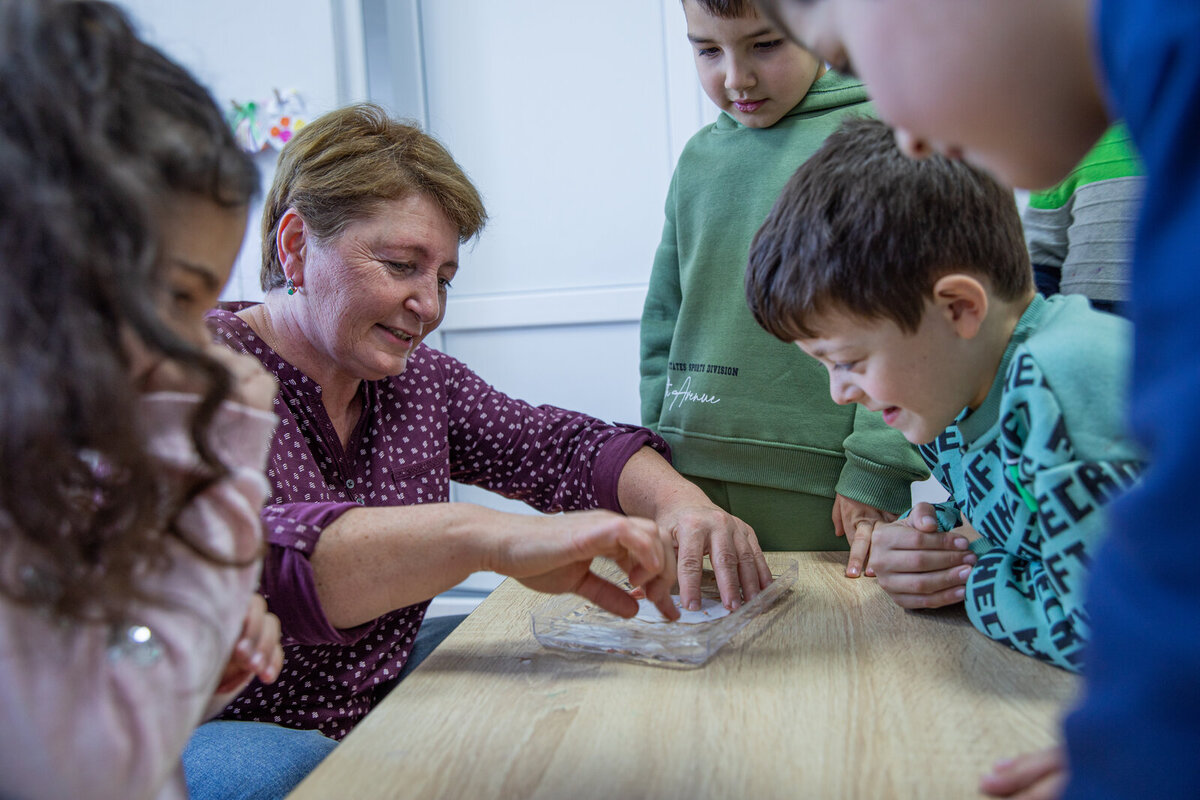
With three years of dedicated work by Caritas Czech Republic, supported by the Government of the Czech Republic, Georgia has taken an important step in strengthening its early childhood intervention and early inclusive education systems. The project helped translate policy into practice, strengthening systems and service delivery while improving the everyday lives of children with developmental delays and their families.
Laying the foundations for early childhood intervention
At the national level, the project contributed to stronger policy frameworks and strategic planning for early childhood intervention and inclusive preschool education across Georgia. These efforts supported a more coordinated and child-centred approach, laying the groundwork for sustainable services that reach children at the most critical stages of development.
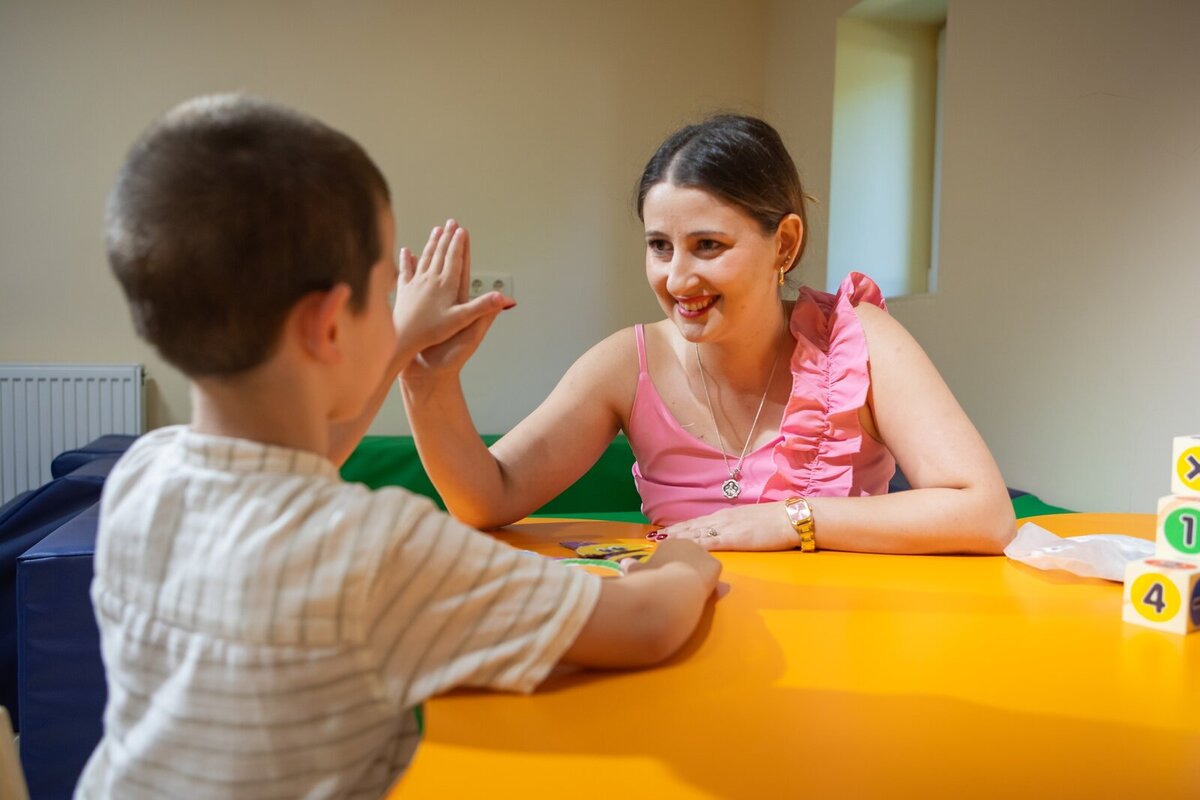
One of the project’s key achievements was the accreditation of a basic-level early childhood intervention training programme - an important step toward strengthening national capacity in the field. In parallel, the project supported the preparation of 60 early childhood intervention specialists and 17 supervisors, reinforcing the workforce delivering services to children and families. In the final year, 18 experienced specialists were also trained as future trainers, helping broaden access to accredited training nationwide. This growing professional network has expanded access to services and contributed to reduced waiting times for children and their families.
“Our focus was not only on immediate results, but on creating conditions for long-term impact. By strengthening coordination, training pathways, and national capacity, the project helped lay a sustainable foundation for early childhood intervention services across Georgia.” – Rusudan Chkhubianishvili, Projects manager at Caritas Czech Republic.
Expanding early intervention services
As part of the project, Caritas Czech Republic renovated and fully equipped five new early childhood development centres, enrolling over 100 children. At the same time, hundreds of children benefited from strengthened existing services in Tbilisi and Rustavi, significantly expanding the reach of early intervention nationwide.
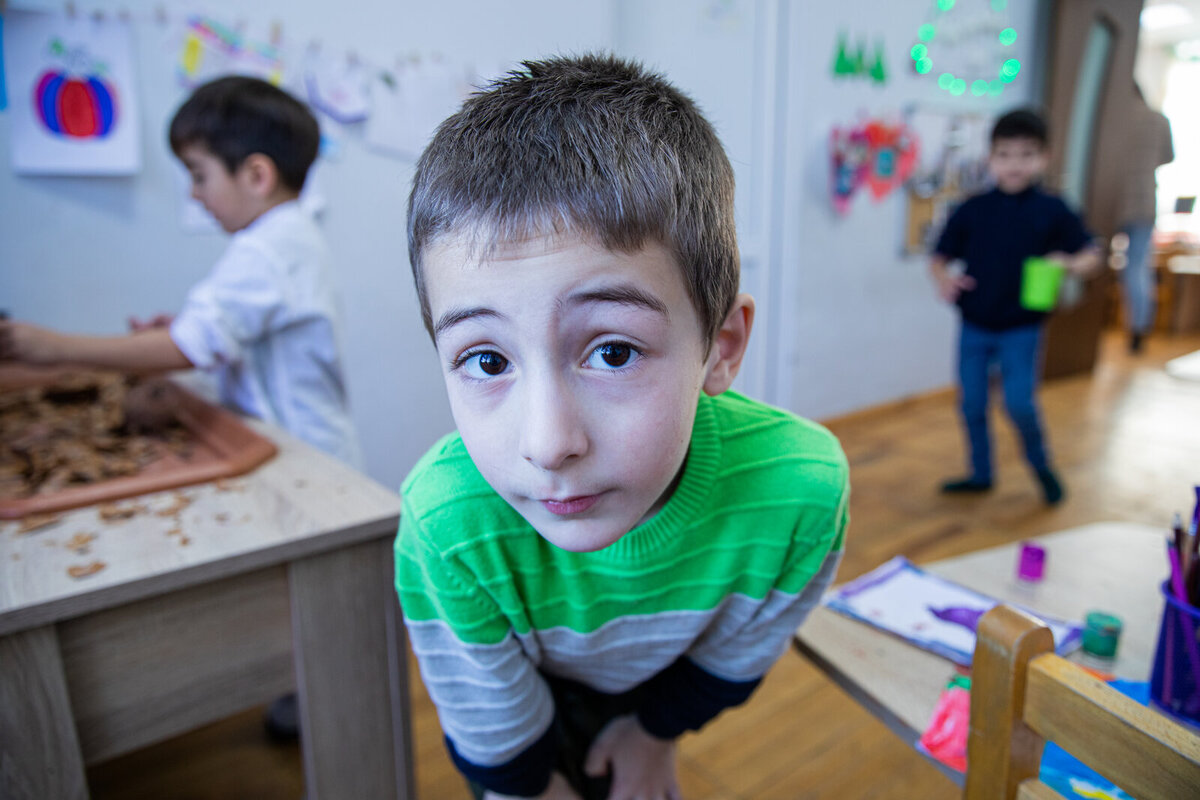
“Caritas Czech Republic and Association Anika established a strong and effective partnership, which led to the establishment of an early childhood development centre in Dusheti Municipality, the only centre of its kind in the region. Building on this experience, state-supported services were subsequently launched and staff capacity was further strengthened both in Dusheti, and at the Tbilisi centre. As a result, the number of children receiving early childhood intervention services increased significantly.” – Irina Inasaridze, Founder and Director of Association Anika.
- Watch the video about the new opened Dusheti centre.
- Watch the video about the trained personnel at the Dusheti centre.
Supporting preschool education
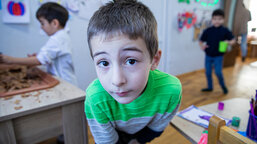
Within the initiative, the project experts worked on the development and implementation of inclusive education strategies in seven municipalities, supporting kindergartens in adapting their environments, approaches, and attitudes to better include children with diverse developmental needs.
Across the project, 21 kindergartens were equipped with specialised materials tailored to children with diverse developmental needs. In addition, 206 kindergarten staff members received training in inclusive education, and 35 personal assistants were prepared and integrated into kindergartens across the seven municipalities, ensuring more individualised support within everyday preschool settings.
Ketevan Kapishvili is among the trained kindergarten staff who actively apply new inclusive practices in their daily work, especially supporting children with special educational needs. As she explains, the training has greatly helped her in working with children, supporting them, and including each child in daily kindergarten activities:
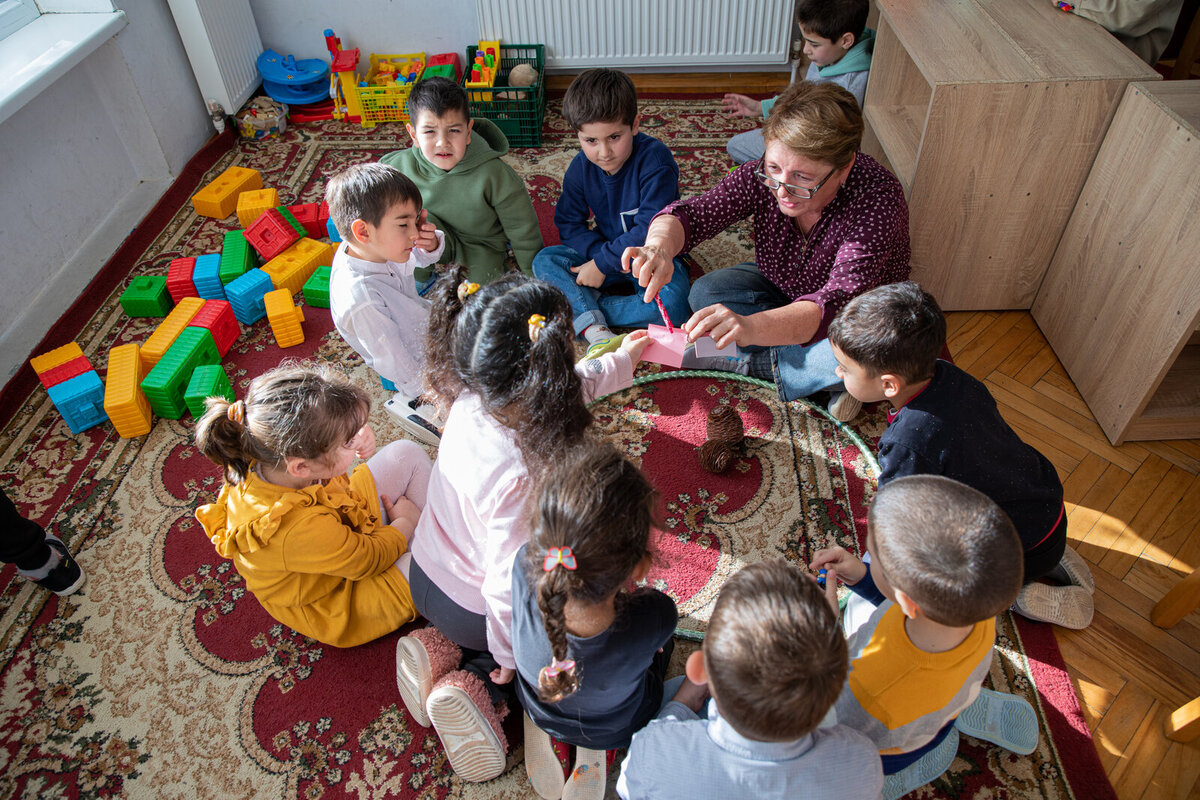
“The training allows me to assess each child and identify their needs. I can plan activities based on their abilities, ensuring they are included just like everyone else. I have become more resourceful for the children, and it has also improved my communication with their parents, because I can explain their needs and how we support them more effectively.”
- Watch the video showcasing the Dusheti kindergarten, where trained staff put their newly acquired skills into practice every day with the children.
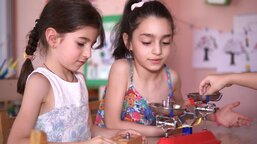
- Read the story of Elene and Anastasia from Georgia solving the conflict during the kindergarten game at the negotiating table, stating "We are good friends."
- Read the interview with Ketevan.
Early Intervention from specialists’ perspective
For many professionals, the project marked a turning point in their practice. Nana Zarandia, a newly trained early intervention specialist through the project and a psychologist working in a municipal kindergarten in Gardabani, in Georgia’s Kvemo Kartli region, explains how early intervention changed her approach to supporting children with developmental delays:
“Early intervention is completely different from traditional group-based work. Here, the professional does not lead the process alone – the parent becomes the child’s main partner. Working in the child’s natural home environment creates real opportunities for change. Together, we turn everyday routines like eating, dressing, or playing into moments of development.”
She further notes that unlike clinic-based therapy, where a child may be seen only once a week, early intervention continues every day, as parents apply professional guidance consistently. This approach not only improves developmental outcomes but also strengthens emotional bonds within families.
Lana Gagnidze, who works both in a kindergarten and at the Early Development centre “Association Portage”, highlights the broader impact of the early childhood intervention model:
“There is no other programme like this that focuses so strongly on empowering parents and supporting development in the child’s natural environment. When parents feel confident and supported, everyday life itself becomes the most effective learning space for the child.”
- Watch the interview with Nana Zarandia, where she explains how the early intervention approach benefits both children and their families.
- Watch the interview with Lana Gagnidze, where she speaks about how she as an early intervention specialist was strengthened by Caritas Czech Republic's training.
- Take a look at the photos from the kindergarten where Lana works.
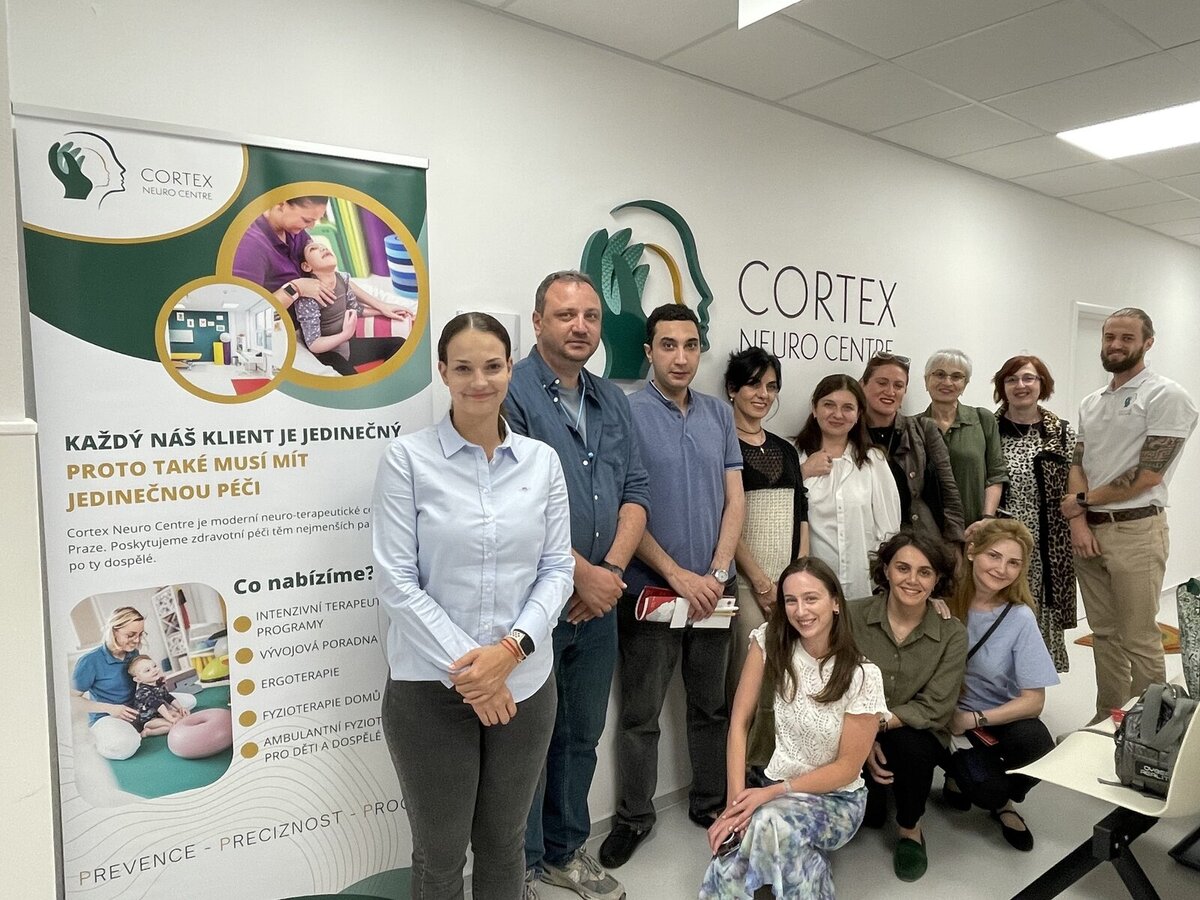
As part of the project, a study visit was also organised, giving 10 specialists from government institutions, expert circles, and NGOs the opportunity to learn from Czech experience in early intervention and inclusive education. This exchange strengthened cross-sector collaboration and introduced practical approaches that can be adapted within the Georgian context.
According to a study visit participant and the project expert involved in the implementation, the strength of the initiative was its balance between policy and practice:
"The visit to the Czech Republic showed us that the development of early intervention and early inclusive education is an ongoing process, requiring the involvement and collaboration of all stakeholders in order to meet the social, health, and educational needs of every child and achieve his or her full potential." - Maya Gabunia, study trip participant.
Building Change That Lasts
To increase public understanding and visibility of early intervention and inclusive education, five public awareness campaigns were conducted. These campaigns highlighted the importance of early support, inclusive environments, and family-centred services for children’s long-term development.
By expanding professional capacity, strengthening services, and improving systems at both national and local levels, the project has made early childhood intervention in Georgia more accessible, effective, and family-centred. For professionals, families, and children alike, the support of the Government of Czechia has helped turn policy into practice and practice into lasting change.
“This project demonstrates how sustained partnership and long-term commitment can strengthen early childhood intervention in a meaningful way. By investing in people, services, and collaboration with national and local partners, we have helped create a foundation that will continue to support children with developmental delays and their families well beyond the project period.” – Ekaterine Meskhrikadze, Country Director of Caritas Czech Republic in Georgia.