


December 12, 2025
News

Caritas Czech Republic has been supporting early childhood development in Georgia for many years, working to ensure that as many children as possible can access essential services from an early age. Our main supporter in this work has been the Government of the Czech Republic. Currently, the ongoing project, funded by the Czech Development Agency, aims to improve national policy in early childhood care, train new specialists, and build capacities of service providers. Additionally, it supports the introduction of early childhood development services and inclusive pre-school education strategies in selected municipalities.
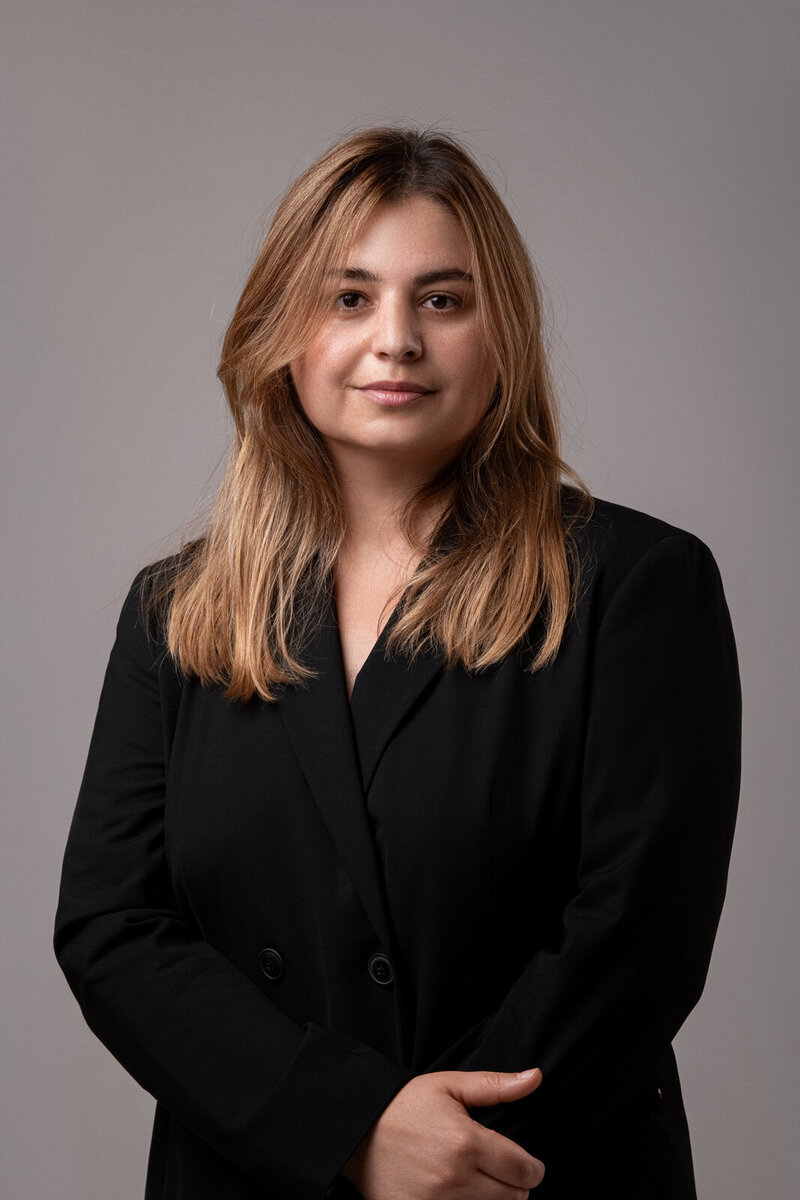
Recently we spoke with Anna Gazashvili, a child psychologist and Chairperson of the Coalition “For Early Childhood Development,” about the challenges faced by early intervention specialists in Georgia.
How would you describe the current state of early intervention in Georgia?
Services for young children in Georgia are still delivered in a fragmented way, resulting in gaps in continuity, quality, and accessibility.
In 2023, with the support of the Czech Development Agency, a study was conducted within Caritas Czech Republic’s project to assess state-supported early childhood development services in Georgia. The research showed that while early childhood programmes are progressing and in high demand, they face serious systemic challenges.
The main findings indicate that service fragmentation, geographical and financial accessibility issues, and, most importantly, a severe lack of inter-agency coordination significantly hinder program effectiveness and prevent many children from reaching their full developmental potential.
How many early intervention specialists are currently in Georgia, and is this number enough?
The Coalition “For Early Childhood Development” is currently the only organisation in Georgia training specialists nationwide. Based on its statistics, about 80–100 new specialists register each year, with 60–75 completing training and passing the final exam. Demand for specialists is particularly high in regional areas.
Currently, there are approximately 1,000 certified early intervention specialists in Georgia, but only about 700 remain actively involved in the programme. Others have left the field or moved to related services, such as autism programmes or special education.
What is the main reason for the low number of specialists, and where are the biggest gaps?
Research shows that most participants are satisfied with working as early intervention specialists, motivated primarily by their interest in working with children and seeing the impact of their work. However, external motivators that could prevent turnover are largely absent. Specialists do not receive paid leave or compensation for missed days due to health reasons.
Fieldwork often involves home visits, but travel expenses are not covered. The most significant challenge is low salaries, which do not reflect the complexity and demands of the work.
Despite 136 new specialists being trained in the past year, including 60 funded by Caritas Czech Republic, the turnover rate within the first year was 15%, suggesting higher attrition in subsequent years.
What measures could prevent specialists from leaving for better-paying services?
Retaining specialists and supervisors should be the state's priority, ensuring professional development opportunities, competitive compensation, and decent working conditions. This includes continuous training, supervision, regulated working conditions, minimum salaries, paid leave, travel allowances, and other benefits.
Some organisations try to optimise schedules and travel to reduce time spent commuting, but this is not always possible, which can negatively affect programme quality and specialist motivation. Supervision is critical, yet supervisors’ salaries are very low, often requiring them to take on multiple roles to compensate.
How do trained specialists improve the quality of services for children and families?
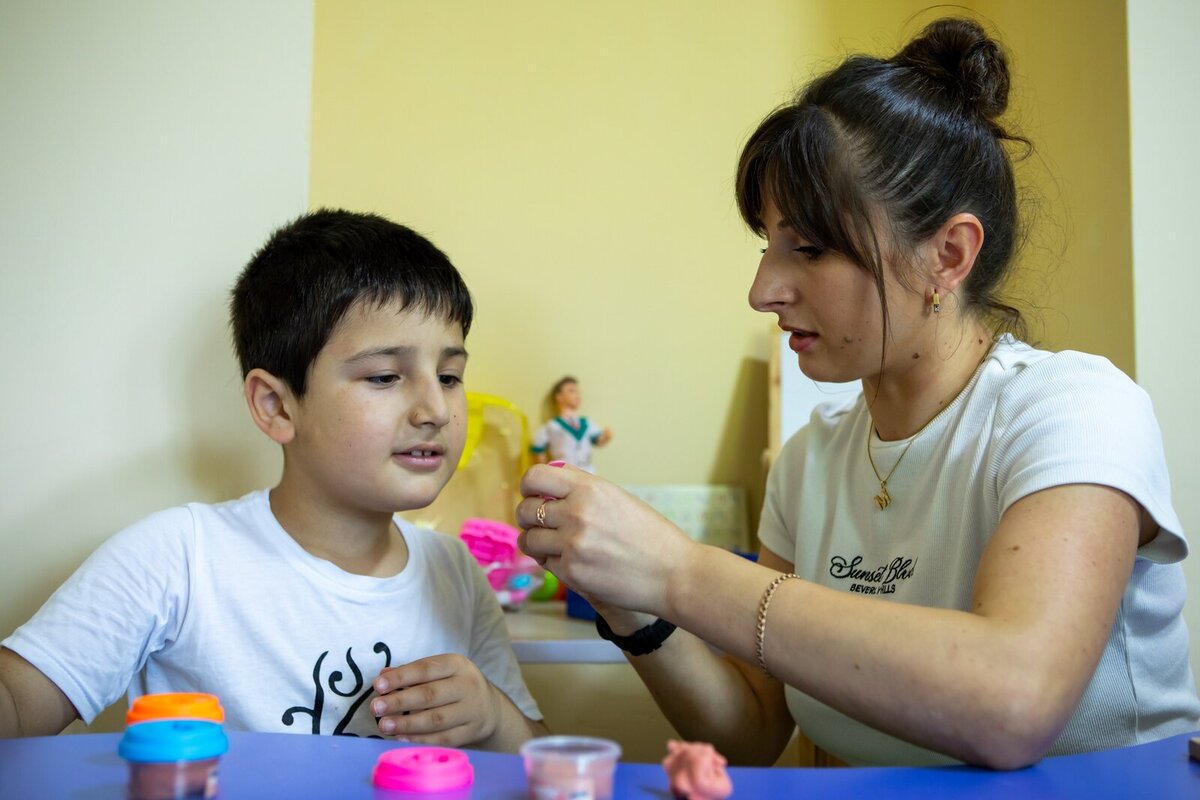
Professional support and capacity building are crucial for any specialist. Early intervention specialists play a key role in strengthening both children and their families. Their primary responsibility is to work closely with family members and primary caregivers to support development.
Research shows that young children learn best through daily activities and interactions with familiar people. With proper support and resources, any family can enhance their child’s learning and development with the help of a trained specialist.
Which regions are most vulnerable in terms of service provision?
Services are primarily concentrated in major cities, while highland and sparsely populated municipalities have limited access. Currently, the programme operates in about 30 municipalities.
There are 77 state service providers for early childhood development, with most in Tbilisi and the rest in large municipalities. Remote and mountainous areas remain a challenge.
What is your main message to the government and society about early intervention specialists' profession?
It is essential that the state ensures a systematic approach and makes early intervention services accessible to every child in need, regardless of geographic location.
The state should recognise the differences between fieldwork and office work and acknowledge the effort and motivation of specialists in this sector.