


February 26, 2026
News
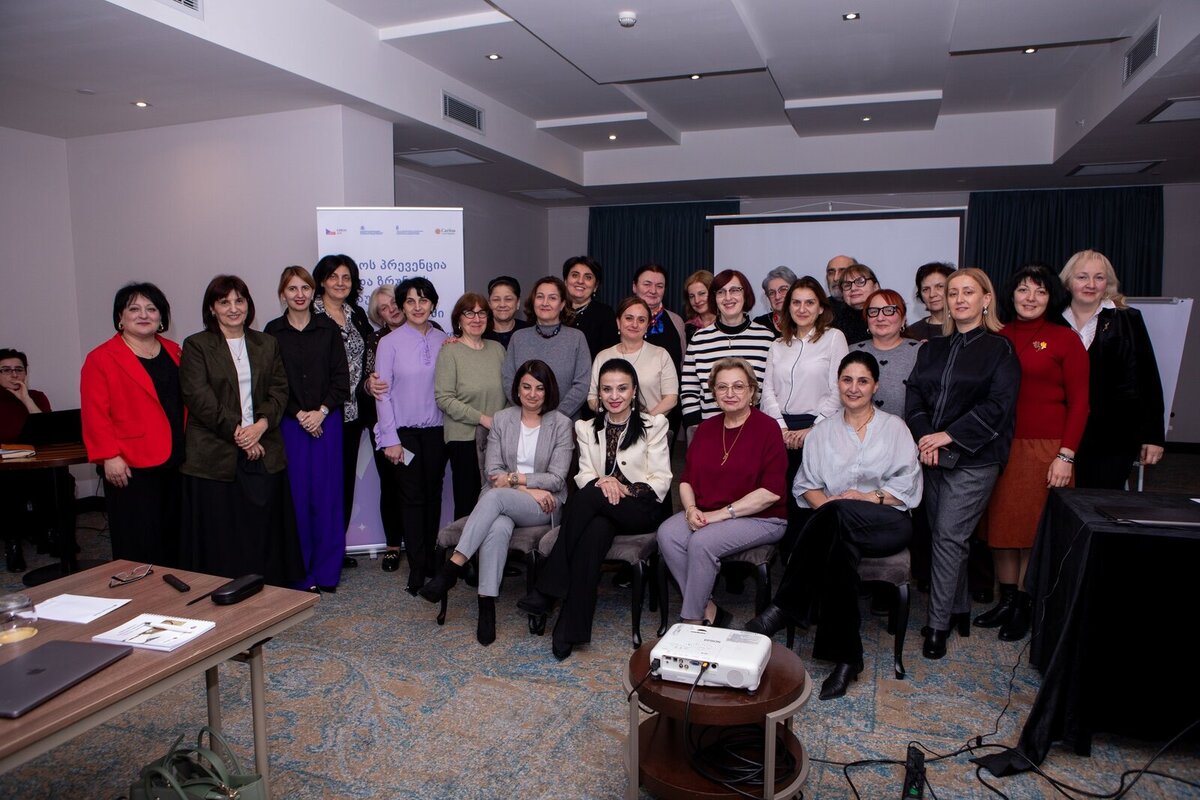
In 2025, the Czech Development Agency (CzDA)–funded project Cancer Prevention and Care Enhancement in Georgia moved decisively from planning to implementation – quietly reshaping how cancer prevention mechanisms, diagnosis and data systems function across Georgia. The year was less about visible breakthroughs and more about laying durable foundations: understanding why people do not attend screenings, modernising digital infrastructure, and strengthening the skills of primary health care (PHC) professionals working on the front line.
Understanding barriers to screening
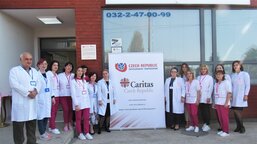
The project did not begin in isolation. It builds on more than a decade of Caritas Czech Republic’s work in cancer prevention, including CzDA’s support for the establishment of the Zugdidi Screening Centre to expand access to cancer prevention services. That earlier investment expanded access to cancer prevention services in Western Georgia and strengthened the capacity of PHC providers to ensure timely referrals and promote awareness among local communities.
To this end, one of the most significant achievements of 2025 was the completion of a nationwide survey exploring knowledge, attitudes and practices related to breast and cervical cancer screening. The findings offered more than statistics – they revealed practical barriers, persistent misconceptions and communication gaps that directly influence women’s health-seeking behaviour.
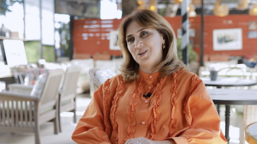
- Rema Gvamichava, prominent oncologist from Georgia on WHY screening matters.
Using this evidence, the project launched targeted public education campaigns across Georgia. Printed materials were distributed to primary health care facilities, digital content was shared online, broadcast media amplified key messages, and survivor voices brought authenticity and trust to the conversation. Rather than relying on generic awareness slogans, communication strategies were shaped by real data and lived experience.
- In this video, you will meet Nino Maghradze, breast cancer survivor.
- Read Nino’s whole story in this article.
- In this video, you will meet Ana Todua, cervical cancer survivor.
- Read Ana’s whole story in this article.
From paper to digital pathways
Alongside public-facing activities, substantial work was carried out behind the scenes to strengthen the national cancer data system. A comprehensive needs assessment of the cancer registry was completed, followed by the development of a clear roadmap for improvement in close collaboration with national and international partners.
Technical upgrades soon followed: the oncology registry was enhanced, data exchange mechanisms with laboratories were improved, an important step towards reliable, interoperable cancer data within the national electronic healthcare infrastructure.
- In this video, Nato Shengelia – the project expert together with Maka Maghlakelidze, oncologist speak about the project midterm results and their importance.
Looking ahead, one of the most consequential developments is the newly created electronic invitation system. From 2026, eligible citizens will begin receiving SMS invitations for screening in line with a government decree. This marks a decisive shift from opportunistic screening towards an organised, population-based model – a major milestone for public health in Georgia.
Investing in medical professionals and equipment
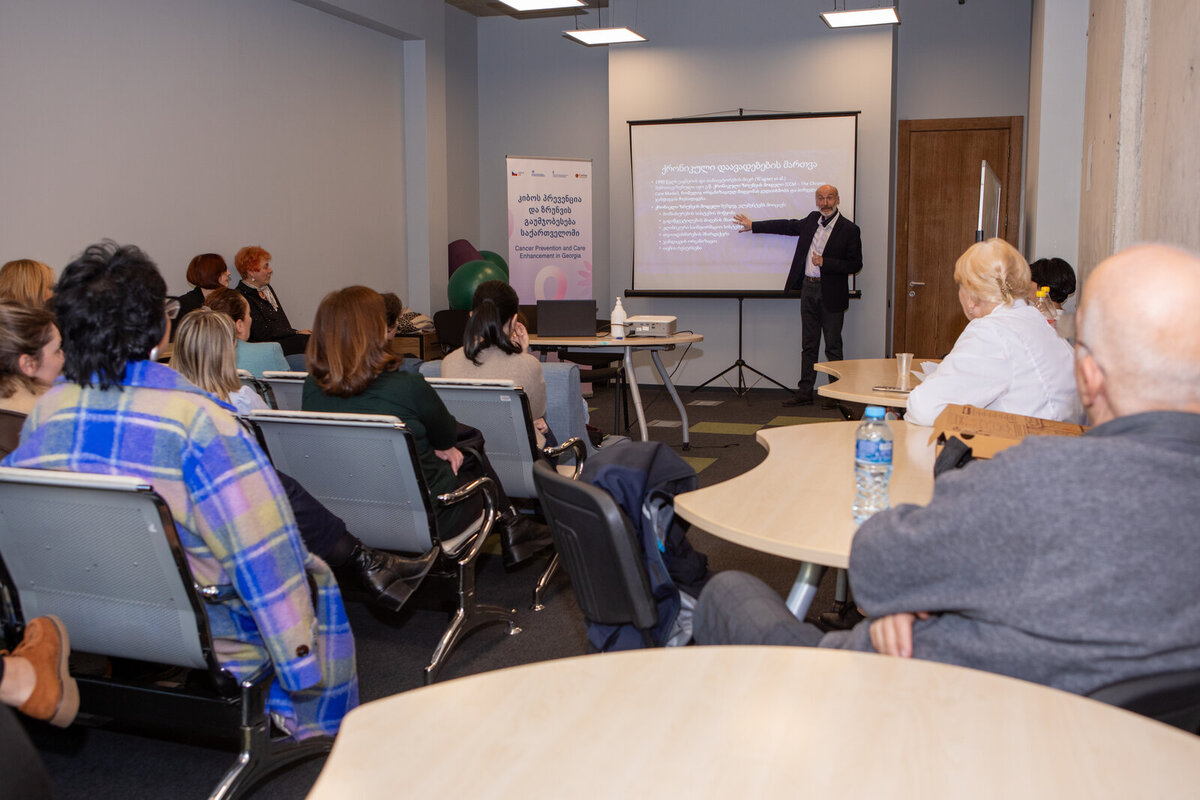
Technology alone cannot transform a health system as people remain at its core. In 2025, nearly 500 health professionals received training in cancer screening communication, with an additional 500 planned to be trained in 2026. In the same year, a national pool of accredited trainers was established through a Training of Trainers programme, ensuring continued roll-out of knowledge across Georgia in 2026-2027 and strengthening PHC capacity in non-communicable disease management, including early cancer detection.
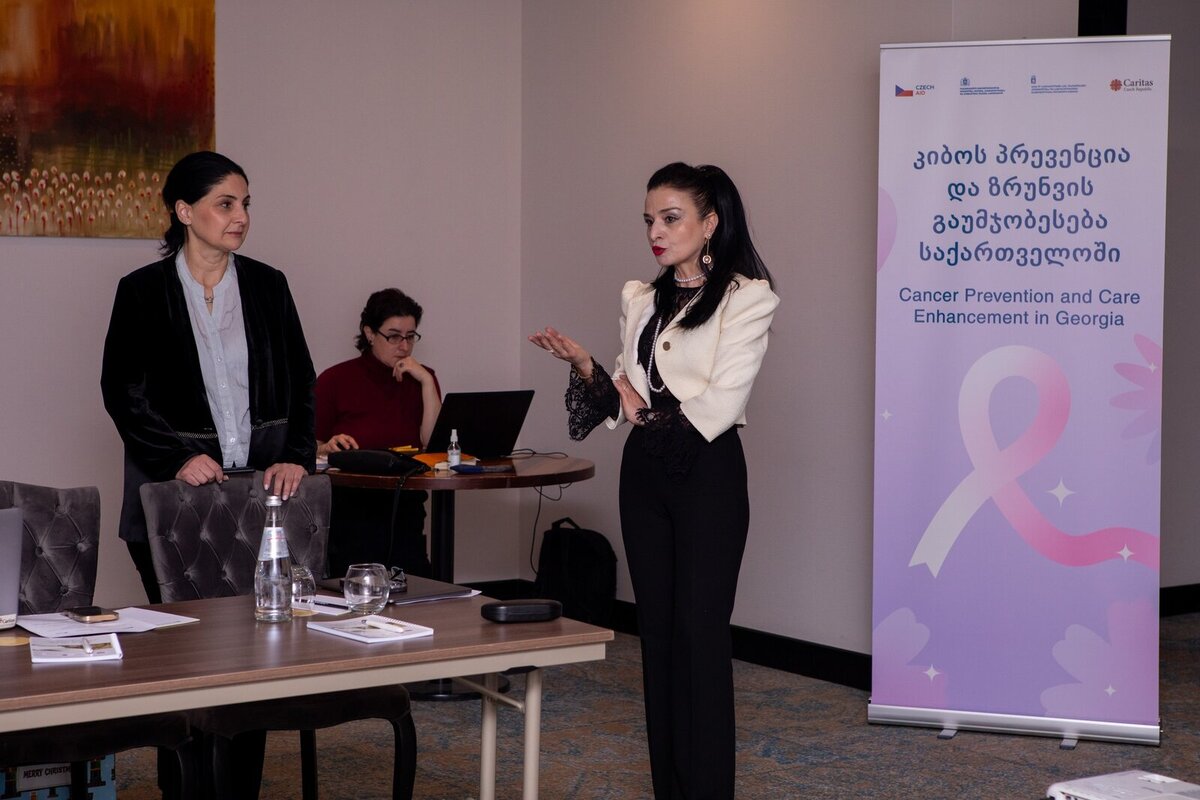
An online continuing professional development course on cancer prevention and care (CPD) was also developed, making learning more accessible and sustainable for healthcare professionals nationwide.
International clinical cooperation was further strengthened through the Caritas Czech Republic internship programme. Six Georgian specialists from M. Iashvili Children’s Central Hospital completed placements in leading Czech institutions: Motol University Hospital (Prague) – onco-haematologist, neurosurgeon, nurse and psychologist; Brno University Hospital – radiologist and intensive care specialist
- In this video Tamar Atanasovi and Archil Agladze, Iashvili Central Clinic’s paediatricians share the insights from the study trip to Czechia.
These placements not only strengthened clinical skills but also deepened professional ties between Georgian and Czech medical communities, with direct benefits for children undergoing cancer treatment in Georgia.
Progress was also visible at service level. The Zugdidi Screening Centre received essential equipment, improving regional access to preventive services. Meanwhile, Iashvili Children’s Hospital was equipped with advanced diagnostic technology valued at GEL 48,000, including a Euromex microscope with accessories, single-syringe infusion pumps, multi-channel infusion pumps, and patient monitors.
A foundation for measurable change
By the beginning of 2026, the full impact of these efforts may not yet be reflected in national statistics. However, the architecture for sustainable change is firmly in place. Screening communication is now evidence-based. Digital systems are connected and expanding. Health professionals are better trained, better equipped and better supported. Caritas Czech Republic’s efforts are ongoing.
With organised screening invitations set to begin in 2026, the groundwork laid in 2025 positions Georgia for measurable improvements in early cancer detection, data quality and clinical outcomes in the years ahead.