


August 13, 2026
News
Adolescence is one of the most important stages of human development. It is during this period that personality is shaped, emotional and social relationships are formed, and the foundations for an independent life are established. At the same time, many mental health problems first emerge during these years. However, the early signs are often overlooked or simply attributed to adolescence.
This is where primary healthcare plays a crucial role. Family doctors are often the first professionals who can identify changes, assess the level of risk, refer an adolescent to an appropriate specialist in a timely manner, and provide the family with the information they need. Recognising a problem at an early stage and intervening appropriately can be decisive in shaping an adolescent's future.
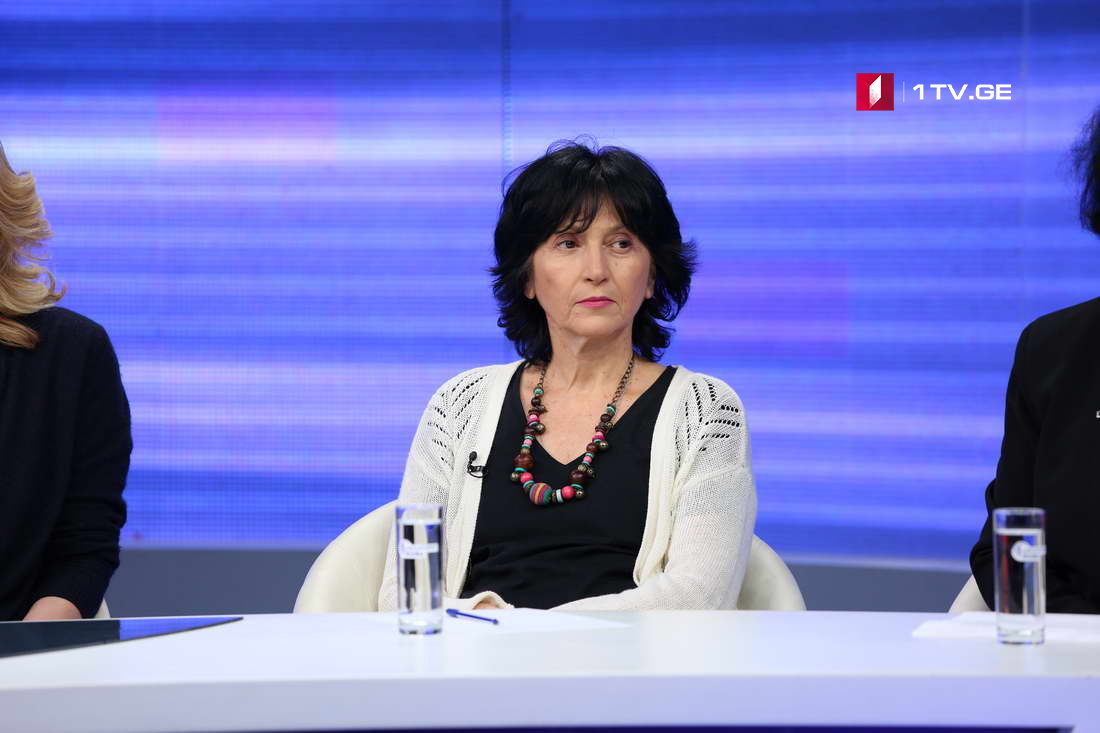
With the support of the European Union and the Government of France, Caritas Czech Republic is implementing the project "Improving the quality of medical services for the population of Georgia with an emphasis on mental health and taking into account gender factors" we spoke with psychiatrist Nana Zavradashvili, an expert involved in the project, about adolescent mental health.
Why is adolescent mental health important, and why has this issue become particularly relevant in recent years?
Adolescence is a critical period in a person's life. According to the World Health Organization (WHO), approximately one in seven adolescents aged 10–19 years worldwide experiences some form of mental health problem.
In the Georgian context, where child and adolescent mental health services and infrastructure remain limited, the issue is particularly acute. This is compounded by personal, family, emotional, social and economic stressors, all of which can have a negative impact on an adolescent's mental wellbeing and may lead to conditions such as anxiety, depression, behavioural disorders or the use of psychoactive substances.
Clinical experience demonstrates that timely intervention at the earliest stage – when symptoms first become apparent – combined with a multidisciplinary approach, is crucial. This means that recognising adolescents' emotional difficulties at an early stage is not only important for improving their current wellbeing; it often determines the course of their entire future.
What role does the family doctor play in this process, and what does practice look like in developed countries?
The family doctor serves as the first point of contact within the healthcare system. International and European practice demonstrates that primary healthcare is the key component in the early identification of mental health problems.
As adolescents or their parents usually first consult a family doctor with physical symptoms or general health concerns, it is the doctor's responsibility to ask the right questions, recognise signs of emotional distress, and refer the adolescent to an appropriate specialist without delay.
Close collaboration between primary healthcare providers and specialised community services ensures continuous monitoring and treatment in an environment that is accessible and comfortable for the patient. To achieve this, it is particularly important to provide family doctors with appropriate training and develop practical clinical guidelines. This strengthens their competence and enables them to intervene both promptly and effectively.
What role has the project supported by the European Union and the Government of France played in this area, and what changes have been achieved as a result?
As a result of the activities carried out within the framework of the project, primary healthcare physicians now have access to:
- Evidence-based clinical guidelines
- Practical algorithms
- Continuous professional development programmes
- Opportunities for teleconsultation with psychiatrists.
This means that family doctors are no longer left alone to manage complex cases on their own. As a result, adolescents receive the support they need at an early stage of illness, when treatment is most effective.
The project has also brought about systemic changes, including the gradual expansion of the primary healthcare package in line with updated policies and action plans. In particular, the action plans for the development of primary healthcare services place a strong emphasis on the increasing integration of mental health into the primary healthcare package.
Continuous training programmes have been established for primary healthcare physicians. Family doctors participate in training courses, earn continuing professional development (CPD) credits, and become familiar with modern standards of clinical management. In response to the challenges faced in the regions, close links have also been established between family doctors and specialised community psychiatric centres. Through teleconsultations and an effective referral system, these partnerships have significantly improved access to mental health services.
Early recognition of mental health problems means not only treating illness, but also safeguarding an adolescent's education, social relationships, professional development and prospects for a fulfilling future. This is why primary healthcare is the place where the protection of mental health should begin.
With the support of the European Union and Agence Française de Développement (AFD), Expertise France is implementing the project “Strengthening Human Capital Development in Georgia”. Within the project, Caritas Czech Republic is working to integrate mental health care into Georgia’s primary healthcare system, addressing long-standing service gaps and aligning with national reform priorities. The project focuses on equipping family doctors with the skills and tools to manage key mental health conditions, including dementia, depression, bipolar disorder, and psychosis, while strengthening early detection and continuous care. Through nationwide training, development of standardised clinical pathways, and the introduction of accredited professional development courses, the initiative is improving access to quality, community-based mental health services and reducing reliance on specialised institutions, ensuring more people receive timely support close to home.
This article has been produced with the assistance of the European Union. Its contents are the sole responsibility of Caritas Czech Republic and do not necessarily reflect the views of the European Union.