


April 8, 2026
Stories
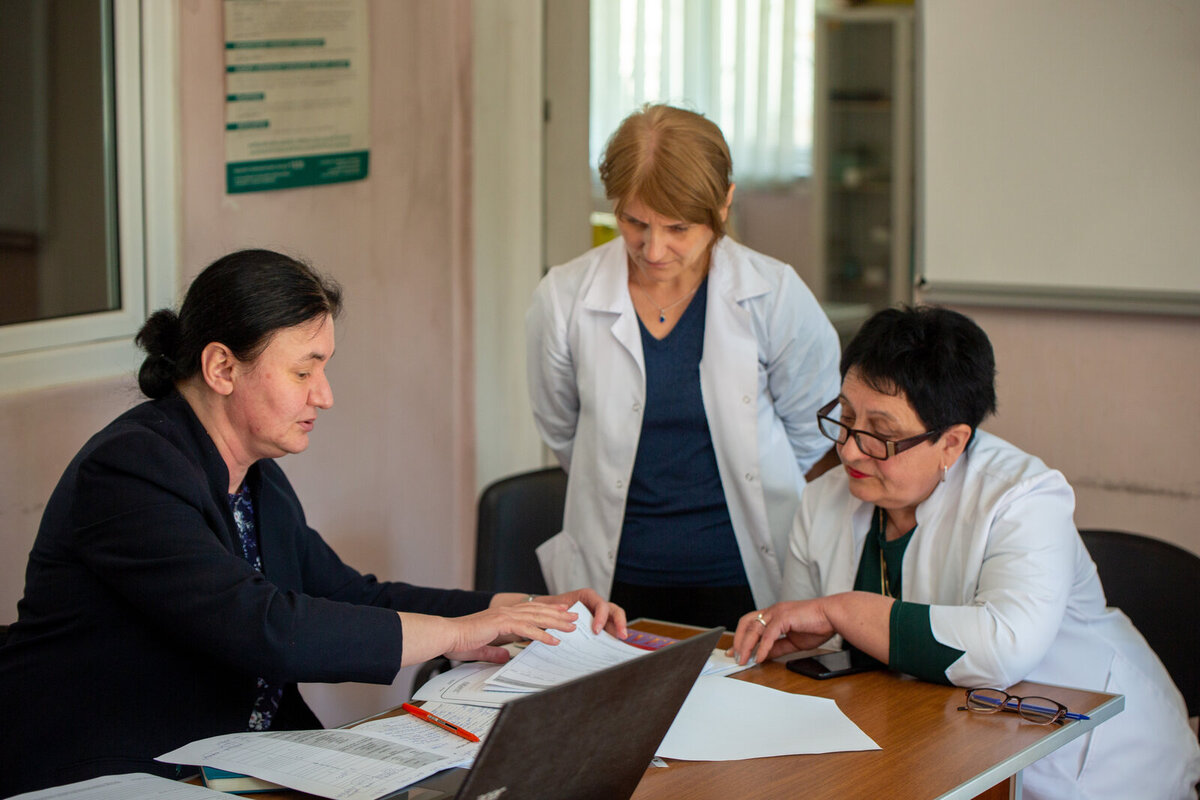
As the world marks World Health Day this week, Caritas Czech Republic takes the opportunity to highlight an issue of growing importance in Georgia: access to mental health care. For many years, mental health services in Georgia were largely concentrated in specialised institutions, often located far from where people live and disconnected from primary health care. For individuals experiencing mental health challenges, seeking support could involve long travel, significant delays, or, in many cases, deciding not to seek care at all. These barriers were further compounded by persistent stigma surrounding mental health.
With the support of the European Union and Agence Française de Développement (AFD), Caritas Czech Republic, in partnership with national institutions, has been implementing a nationwide effort to integrate mental health services into primary health care. The aim is both simple and transformative: to ensure that people can access mental health support close to home, through the doctors they already know and trust.

The Role of Family Doctors
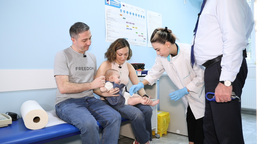
For most people, the first point of contact within the health system is their family doctor. When properly equipped, these professionals can play a key role in identifying mental health conditions, providing initial support, and referring patients to specialists when needed.
Strengthening primary health care allows mental health support to begin earlier, improves accessibility, and helps reduce stigma by making care part of routine medical services.
To support this shift, the project has focused on equipping primary health care providers with practical tools and skills. Over the past two years, ten gender-sensitive clinical pathways for mental health conditions have been developed. These pathways guide doctors step by step – from identifying symptoms to managing cases and making referrals where necessary. This structured approach brings mental health care closer to everyday practice.
Building Capacity Across the Health System
A key component of the project has been large-scale capacity building. By the end of 2025, approximately 1,700 doctors had received training in mental health topics, reaching 935 rural and 43 urban primary health care facilities. This means that even in remote areas, family doctors are increasingly prepared to recognise and respond to mental health needs.
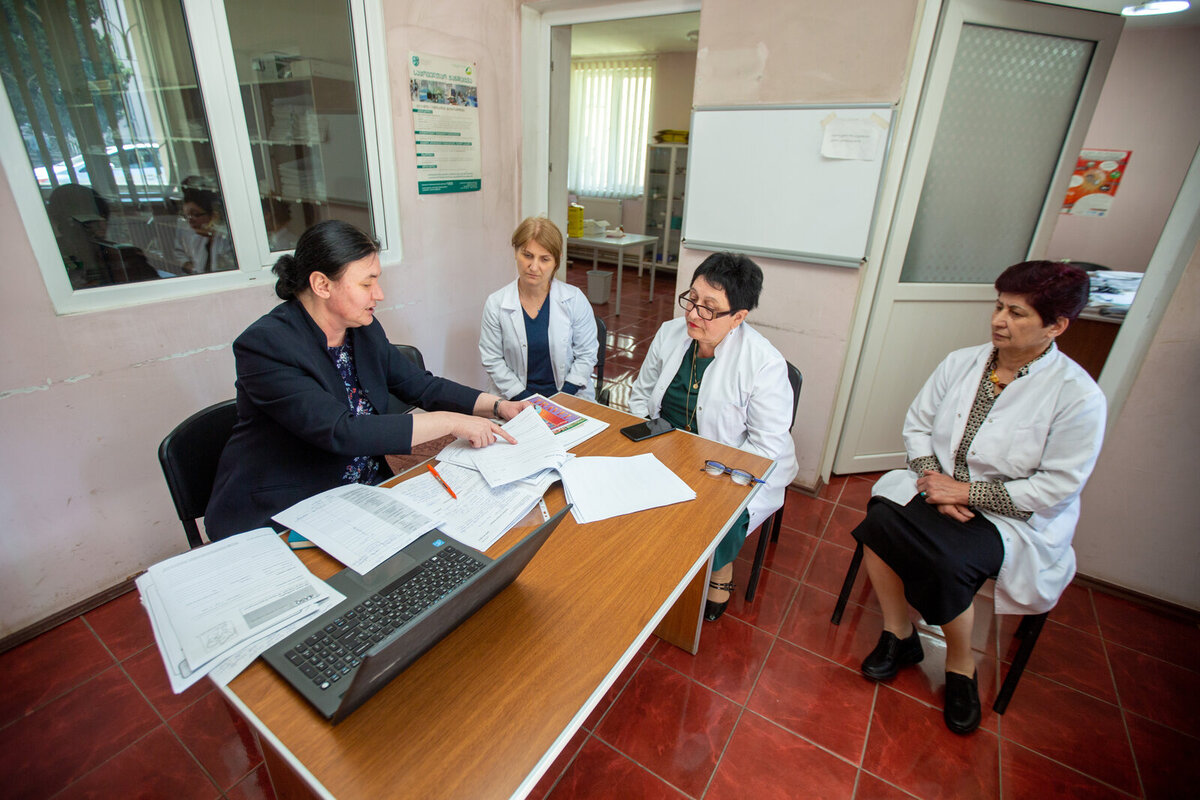
However, training alone is not sufficient. To ensure that knowledge is effectively applied in practice, the project has introduced continuous supportive supervision. More than 800 online supervision sessions have been conducted, alongside on-site visits and clinical audits.
This ongoing support enables doctors to discuss real cases, seek guidance, and strengthen their skills over time – creating a continuous learning environment that extends beyond initial training.
Expanding Access Through Telemedicine
One of the project’s most innovative elements is the introduction of tele-mental health services. In 88 primary health care facilities, doctors can now connect with experienced mental health specialists through teleconsultations.
These sessions, based on real patient cases, provide direct clinical guidance. For family doctors working in rural areas, this means they are no longer managing complex cases in isolation.
Since the launch of teleconsultations in 2025, patient interest has steadily increased. Doctors are actively engaging in case discussions, and patients benefit from more timely and informed care – without the need to travel to specialised institutions.
In parallel, tele-psychiatry mentoring sessions bring together facilitators and doctors to review cases and share experiences, strengthening professional networks across the country.
Strengthening the System for the Long Term
Beyond service delivery and training, the project places strong emphasis on sustainability. All clinical pathways have been converted into online continuous professional development (CPD) courses and uploaded to the national learning platform. This ensures that doctors can continue to build their knowledge and skills over time.
Additional training modules have also been developed in areas such as sexual and reproductive mental health, reflecting the importance of addressing mental health within a broader health and social context.
At the national level, the project contributes to policy dialogue and coordination among stakeholders, including support for the development of mental health strategies and action plans.
Working Across Sectors
Mental health is closely linked to social conditions, family environments, and community support systems. Recognising this, the next phase of the project places greater emphasis on coordination between health care providers and social workers.
Planned activities include targeted training to improve the identification of psychosocial risks, strengthen referral mechanisms, and clarify professional roles. This approach helps ensure that individuals receive not only medical care but also appropriate social support when needed.
Further work is also planned in areas such as child and adolescent mental health and gender-sensitive communication, reflecting evolving needs within the system.
A System That Learns and Adapts
The experience of the past two years demonstrates that integrating mental health into primary health care is not a one-time reform, but an ongoing process. It requires strong coordination, continuous learning, and the flexibility to adapt to emerging needs. While challenges remain, close collaboration with national authorities continues to address them.
As Georgia strengthens its health system, integrating mental health into primary care represents a significant step towards more inclusive and accessible services.
- For patients, it means receiving support earlier and closer to home.
- For doctors, it means having the tools and support to respond effectively.
- For the health system, it means moving towards a more coordinated, responsive, and sustainable model of care.
The progress made in Georgia shows that meaningful change is possible when international donor support, expertise, and partnerships come together with a shared goal: making health care work for everyone.
With the support of the European Union and Agence Française de Développement (AFD), Expertise France is implementing the project “Strengthening Human Capital Development in Georgia”. In the framework of the project Caritas Czech Republic is working to integrate mental health care into Georgia’s primary healthcare system, addressing long-standing service gaps and aligning with national reform priorities.
The project focuses on equipping family doctors with the skills and tools to manage key mental health conditions, including dementia, depression, bipolar disorder, and psychosis, while strengthening early detection and continuous care. Through nationwide training, development of standardised clinical pathways, and the introduction of accredited professional development courses, the initiative is improving access to quality, community-based mental health services and reducing reliance on specialised institutions, ensuring more people receive timely support close to home.
This article has been produced with the assistance of the European Union. Its contents are the sole responsibility of Caritas Czech Republic and do not necessarily reflect the views of the European Union.