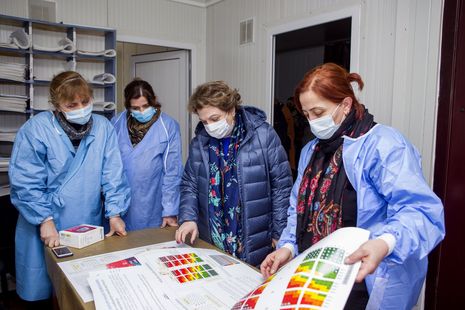
Importance of continuing medical education for rural doctors
The specifics of a family doctor’s work in rural areas of Georgia significantly differ from the work process of a family doctor in the capital city. In addition to dealing with the challenges related to the everyday medical practice, rural doctors have to deal with a number of social problems. Often one rural doctor cares for the health of thousands of people, and their only supporter is a nurse. Such a situation is more aggreviated with difficult geographical and climatic conditions, lack of a car to get to a patient's home with a serious illness, and many other challenges.
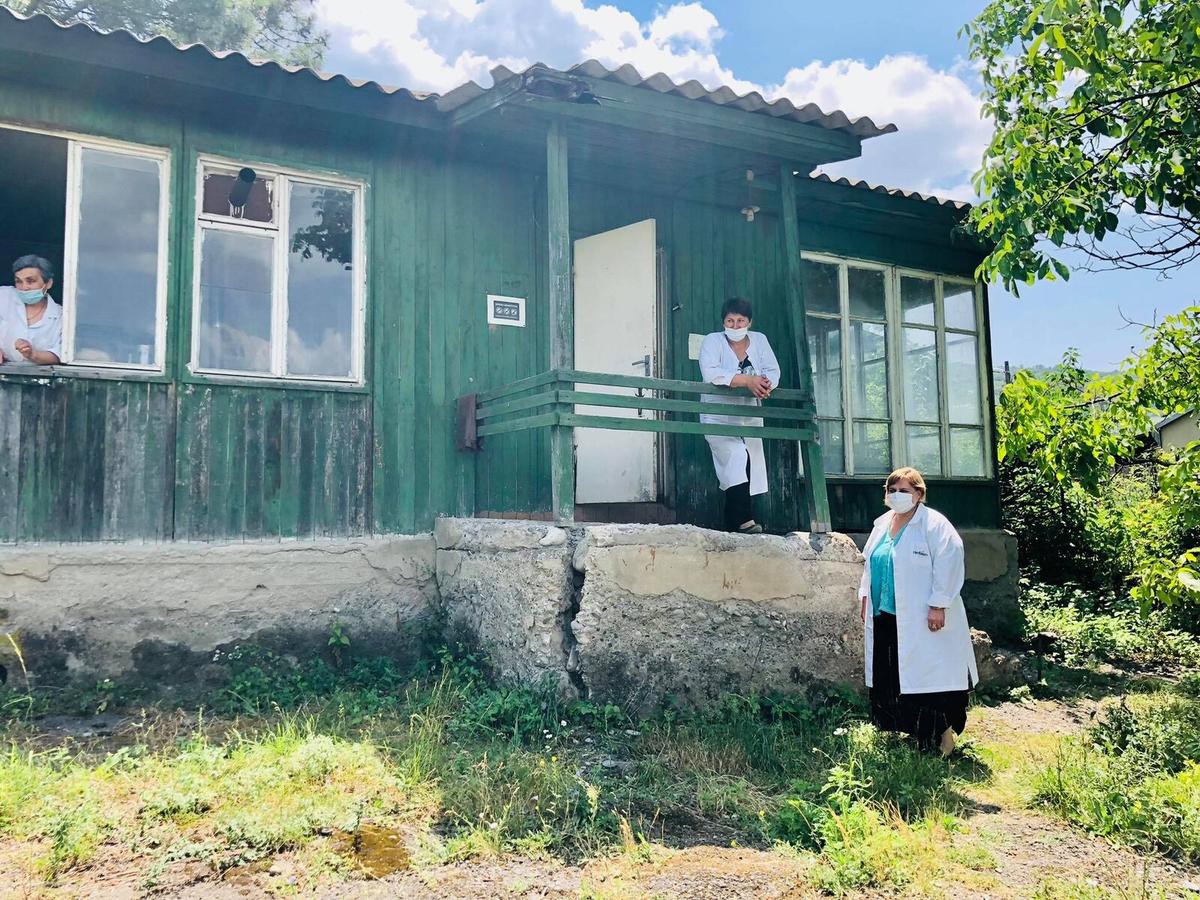
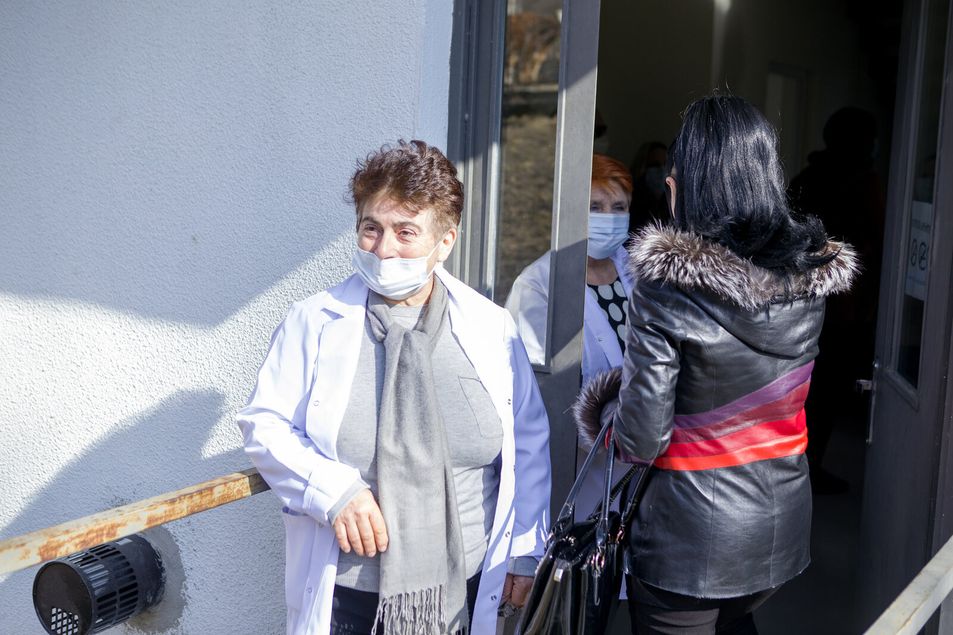
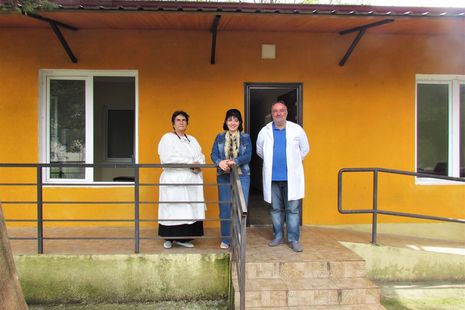
Goderdzi Todua has been working as a family doctor in the rural ambulatory of Narazeni village of Zugdidi municipality since 2001. He and his colleague serve a total of 3,400 patients – children and adolescents as well as adults. Generally, Goderdzi serves patients on the spot or consults them remotely by phone. But there are frequent cases when a patient needs help at home. In such a situation, Goderdzi has to drive to the patient in his own car as the ambulatory does not have one.
According to Goderdzi, among the chronic diseases prevalent in their village, arterial hypertension is in the first place, which needs special attention to prevent further complications and lethal consequences. After arterial hypertension, diabetes and bronchial asthma are most common. As such, it is necessary to constantly monitor and control the mentioned diseases so that a patient will not need to be sent to a specialist or hospital.
In order to properly manage common diseases in primary healthcare, a family doctor should work based on the latest evidence-based clinical protocols and guidelines. In addition, he should be able to engage in continuing medical educational activities. Due to a busy work schedule, Goderdzi does not always have time to follow the medical news and take care of improving his capacities. So, he much appreciates the knowledge received through the Caritas Czech Republic project.
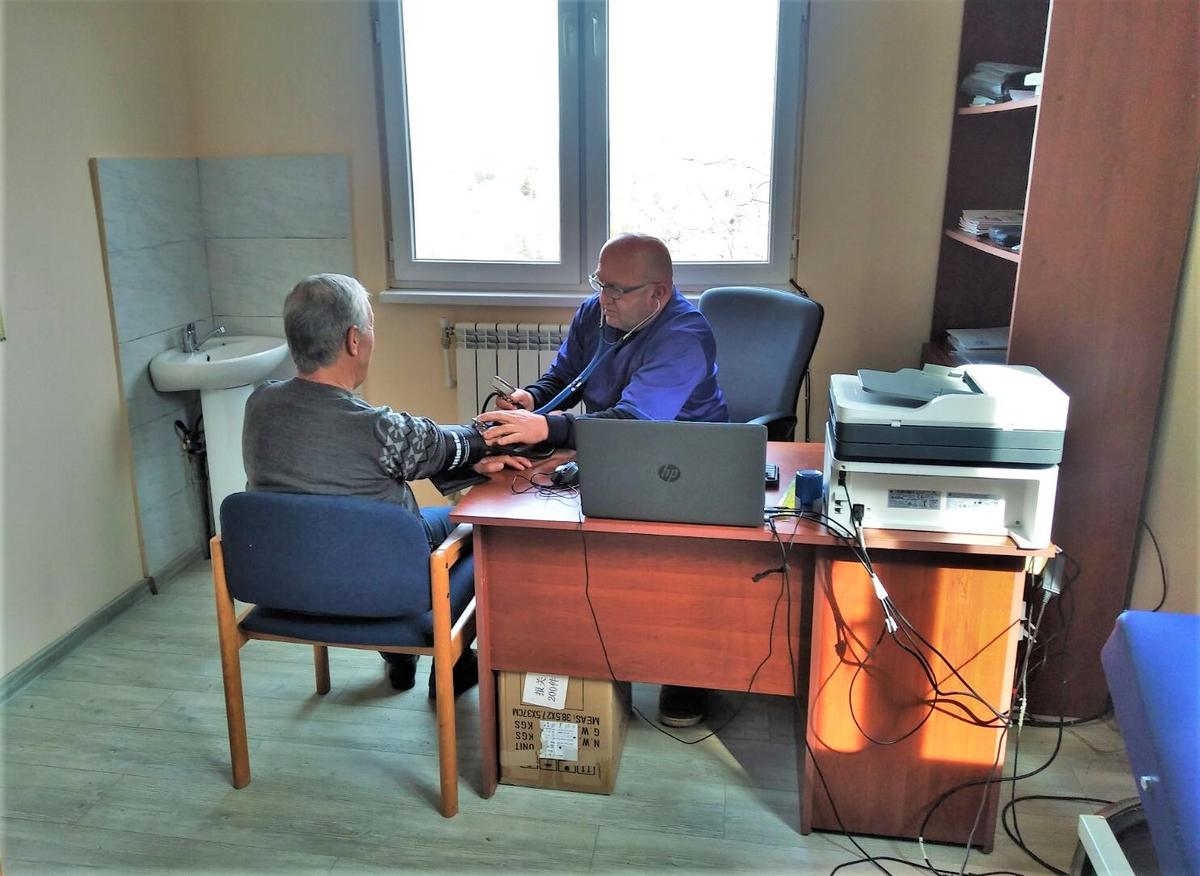
As part of a project funded by the Czech Development Agency, Caritas Czech Republic delivered training sessions for family doctors of the Dusheti and Zugdidi municipalities based on the updated clinical protocols and provided supportive supervision.
"Primary healthcare is the gateway of the healthcare system. And family doctors and nurses must be engaged in continuous medical training sessions not to fall behind the innovations of medicine, to know the quality management and follow-up of common diseases. Through the training sessions provided by Caritas Czech Republic, I had an opportunity to devote more time to medical education, get acquainted with the latest information, and improve my knowledge and capacities as a doctor. This help was necessary and timely, and I am glad I had the opportunity to be involved in the active learning process." – says Goderdzi Todua, a family doctor of Narazeni village.
Doctors of Dusheti and Zugdidi municipalities improved their capacities
Within the framework of the project funded by the Czech Development Agency, Caritas Czech Republic aimed to improve the quality of primary healthcare services by developing primary healthcare quality management tools, creating a unified electronic management information system, and updating qualification standards and requirements for primary healthcare professionals.
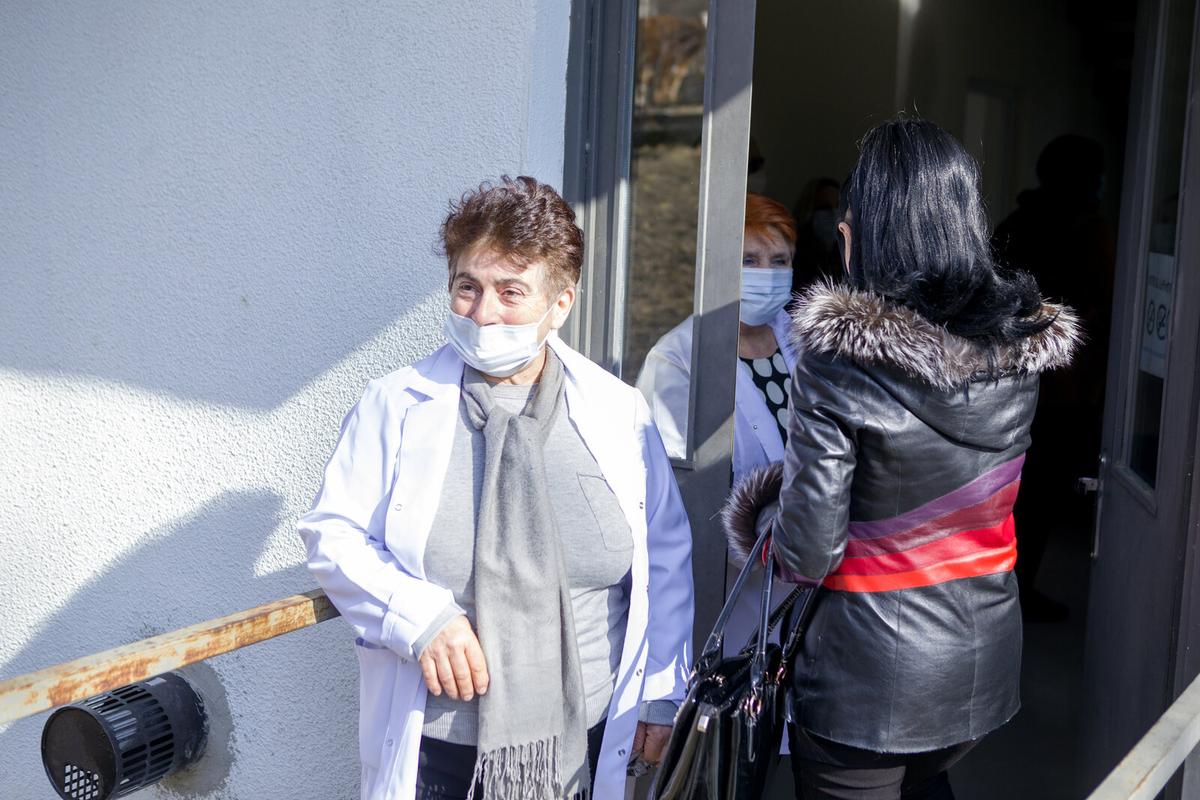
Project activities included 16 ambulatories in Dusheti Municipality and 28 ambulatories in Zugdidi Municipality. The activities aimed at training medical personnel, facilitating the implementation of a medical service quality assessment system, and providing technical assistance to primary healthcare staff through on-site and remote supportive supervision sessions.
Within the framework of the project, Caritas Czech Republic conducted a total of 139 online training sessions, 132 on-site supportive supervision visits, and 205 online supportive supervision sessions in the pilot municipalities. As a result, the medical staff of rural ambulatories improved their clinical competence and the quality of the produced medical documentation. With the help of project experts, they have adjusted the patient registration system and started using electronic medical histories in a test mode. In addition, nurses became engaged more in the management and prevention of common problems in primary healthcare.
Importance of unified electronic management information system for the healthcare system of Georgia
The most important part of this project is the creation and implementation of information systems for primary healthcare, including the COVID-19 laboratory system (CovidLab), which during the pandemic provided the collection and management of laboratory test results from medical institutions; The electronic system of unified queues in the primary healthcare sector – www.booking.moh.gov.ge, which the population of Georgia used to make online reservations for COVID-19 vaccination. Currently, patients use this information in pre-booking a visit to a family doctor. As for doctors, they use this system to send a patient to another doctor or clinic and for teleconsultations with patients. The latter is especially important for the services for the population living in mountainous regions, who do not have the opportunity to go to an ambulatory due to transport or road infrastructure problems.
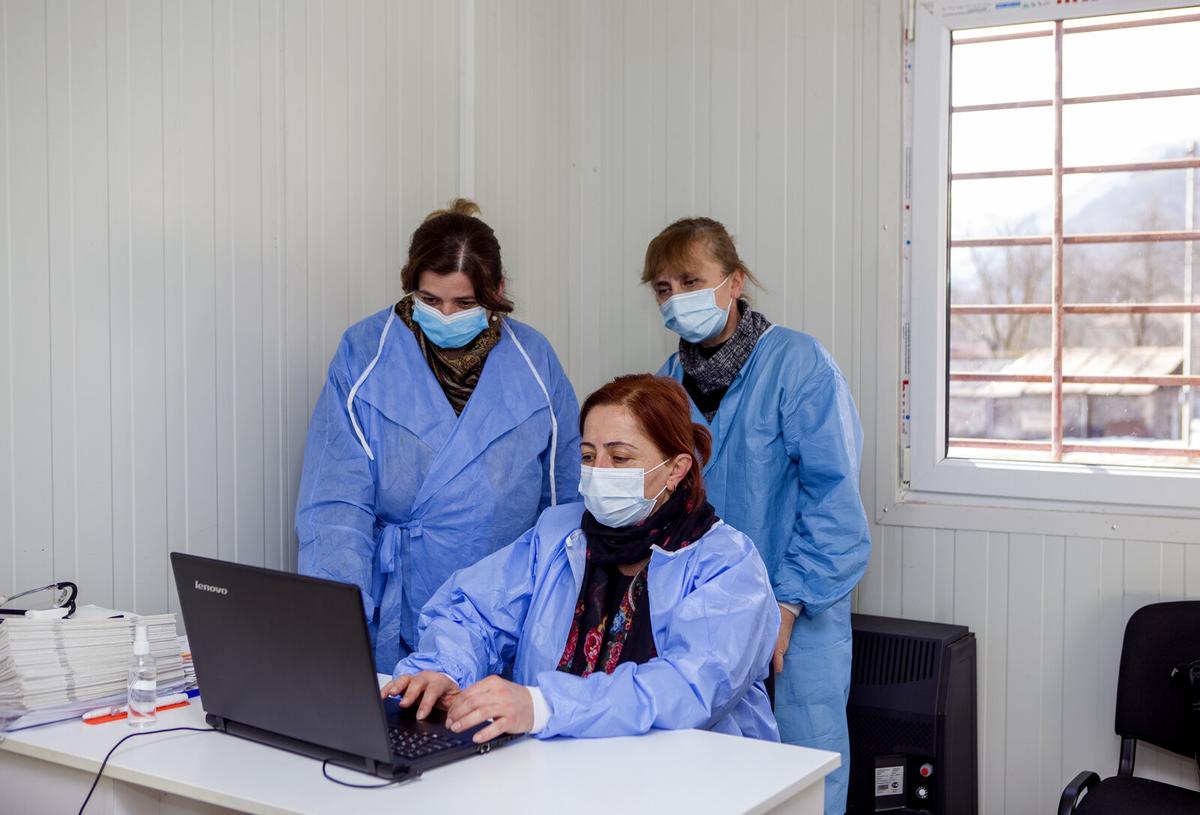
The creation of a unified electronic management information system for primary healthcare management and digitization of medical records in primary healthcare is another important direction of the project. At this stage, we are piloting the mentioned systems in the rural ambulatories of Dusheti and Zugdidi municipalities and several primary healthcare institutions of Tbilisi and Kutaisi. As a result, the Ministry of Health of Georgia will receive this system for its implementation and further development throughout the whole country.
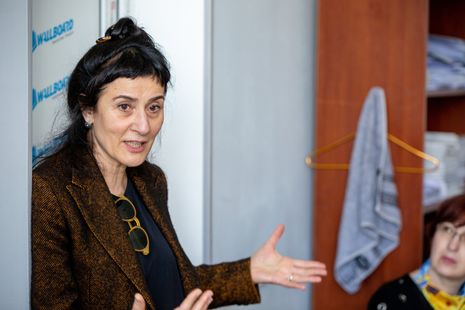
Rusudan Chkhubianishvili, the project manager of Caritas Czech Republic, believes that the use of information systems is a new word in Georgia’s healthcare:
"Until now, rural ambulatories did not have the opportunity to electronically fill in patients' medical history. Village doctors could nor follow medical news and did not know how to manage common diseases according to modern clinical standards. They did not know what the quality was in primary healthcare and how it should be ensured or improved. The doctors of the pilot clinics now can conduct clinical audits according to pre-selected criteria and can track the improvement of clinical practice over time."
Rusudan hopes that the model offered by the project, which has been adopted worldwide, will be implemented in other primary healthcare facilities across Georgia. The support of the Czech government is very valuable and appreciated by Georgia.
Caritas Czech Republic continues to support the Government of Georgia to strengthen and further develop the healthcare system of the country.
This material was prepared in the scope of the project financed within the Official Development Assistance of the Czech Republic and implemented through the partnership between the Czech Development Agency and Caritas Czech Republic.