The benefits of the rotational grazing principles in pasture management
Since 2022, Caritas Czech Republic has been actively involved in sustainable pasture development in Georgia's mountainous regions. This initiative, funded by the Czech Government, aims to improve the quality of local pastures using a systemic, holistic approach supported by rotational grazing principles.
Rotational grazing is a pasture management technique that involves moving livestock between different sections of the pasture, allowing each area time to recover and regenerate before being grazed again. This method simulates natural grazing patterns, leading to healthier soil, increased biodiversity, improved sustainability, and more resilient and productive pastures. The rotational grazing process involves several key steps, namely: division of pasture into paddocks, development of grazing schedule, Monitoring pasture health, allowing rest and recovery of paddocks, system adjustments if needed, and infrastructure meaning proper electric fencing, a water supply, and possibly shelter in each paddock.
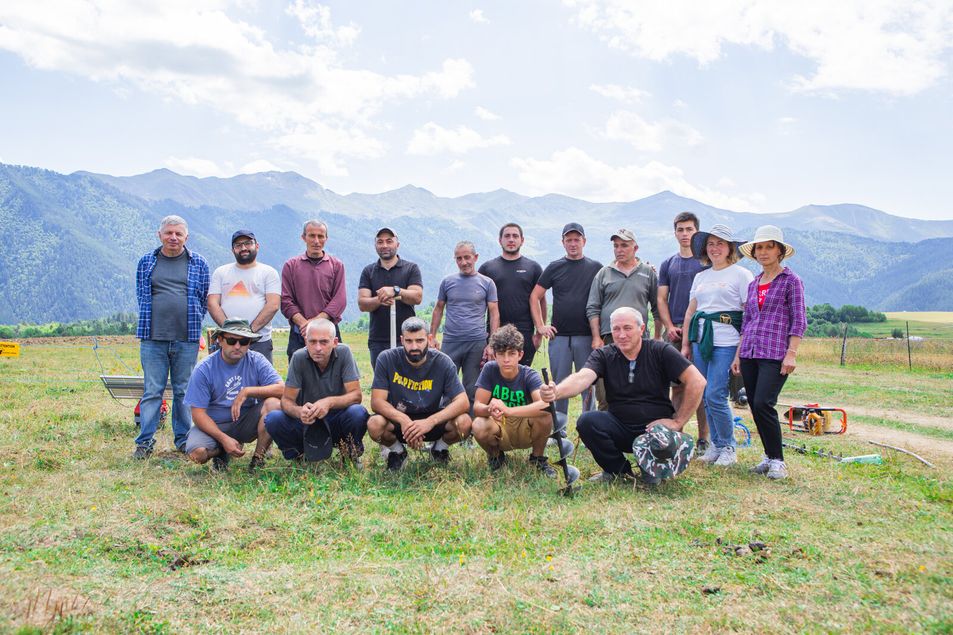
Local farmers have adopted electric-fenced pastures for various reasons: cost savings by reducing the need for hired shepherds, protection of calves, custom-developed pastures by horse breeders ensuring optimal use, and overall land conservation and quality enhancement.
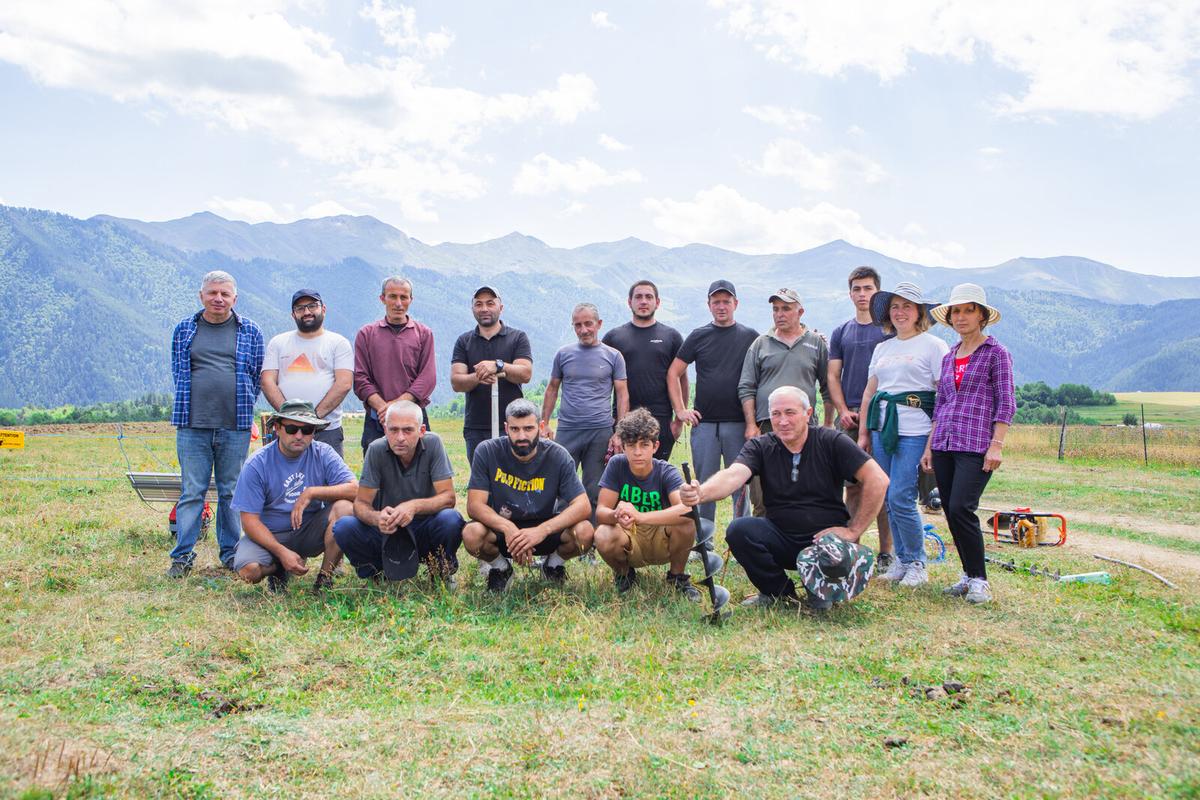
In collaboration with Land O'Lakes Venture37, Caritas Czech Republic has established four electric-fenced pastures across three paddocks in Tusheti, Pshav-Khevsureti, and Khulo municipality. Each pasture covers approximately six hectares, with each paddock spanning two hectares. The grazing schedule allows about 30 cattle to graze for 14 days, ensuring compliance with all standards.
The success of these demonstration pastures has encouraged the local population to replicate these innovations, making electric-fenced and paddock-divided pastures a trend in Georgia's mountainous regions, particularly in Khulo municipality, Tusheti, and Pshav-Khevsureti.
Innovative approach to the wastewater management in the Oni municipality
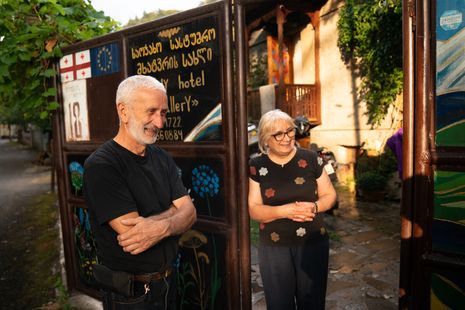
Temur Gugeshashvili, a Caritas Czech Republic beneficiary from Oni, operates a hotel and woodworking workshop where he teaches local youth. His wife, Elene, runs an art school for children. The outdated infrastructure at their workshop posed significant challenges.
To improve conditions, they moved the workshop to their new hotel. With the building near the river Rioni, managing wastewater responsibly was crucial. The couple discovered a SlovakAid-supported project by Caritas Czech Republic and Ekocentrum Sosna aimed to enhance Oni's wastewater management.
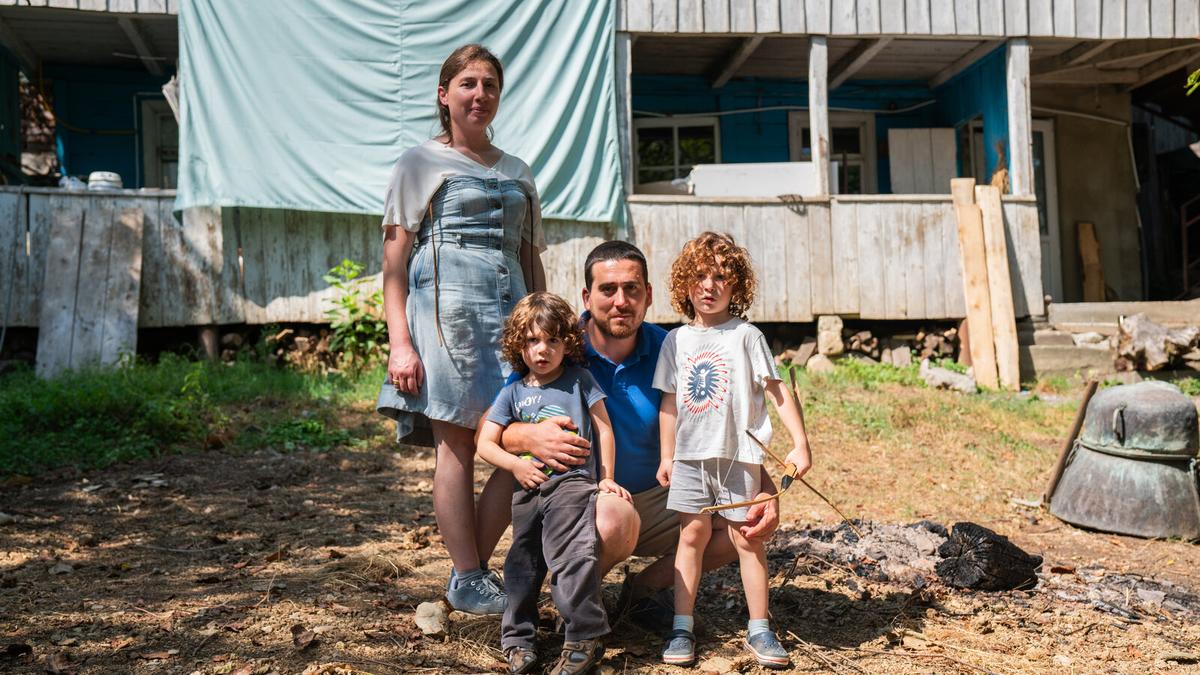
Within the the project, a biological wastewater treatment facility was installed at the hotel. This facility uses microorganisms to clean liquid waste, resulting in clean water being released into the environment. This method is considered among the best for wastewater management.
Additionally, the project installed a bio-toilet with a biofilter for a young couple – Levan and Eka – from the Racha-Lechkhumi and Kvemo Svaneti region. The biofilter, which filters wastewater using natural components, ensures that only clean water remains. This support is crucial for this couple as they establish their small business in Racha, which is facing challenges and opportunities.
Overall, the project has installed wastewater cleaning systems, bio-toilets with biofilters, and composting toilets in several villages within Oni municipality.
Introducing vulnerable use to the digital professions
Supported by the European Union, Caritas Czech Republic carries out an initiative to improve digital and career management skills for vulnerable youth in Georgia, Armenia, and Moldova. The project team produced a guide on digital professions to aid career counselors in advising on digital careers. A detailed manual was also created, providing insights into digital profession trends, the career counseling process, and the challenges vulnerable youth face. The manual includes a classification of digital occupations and educational resources.
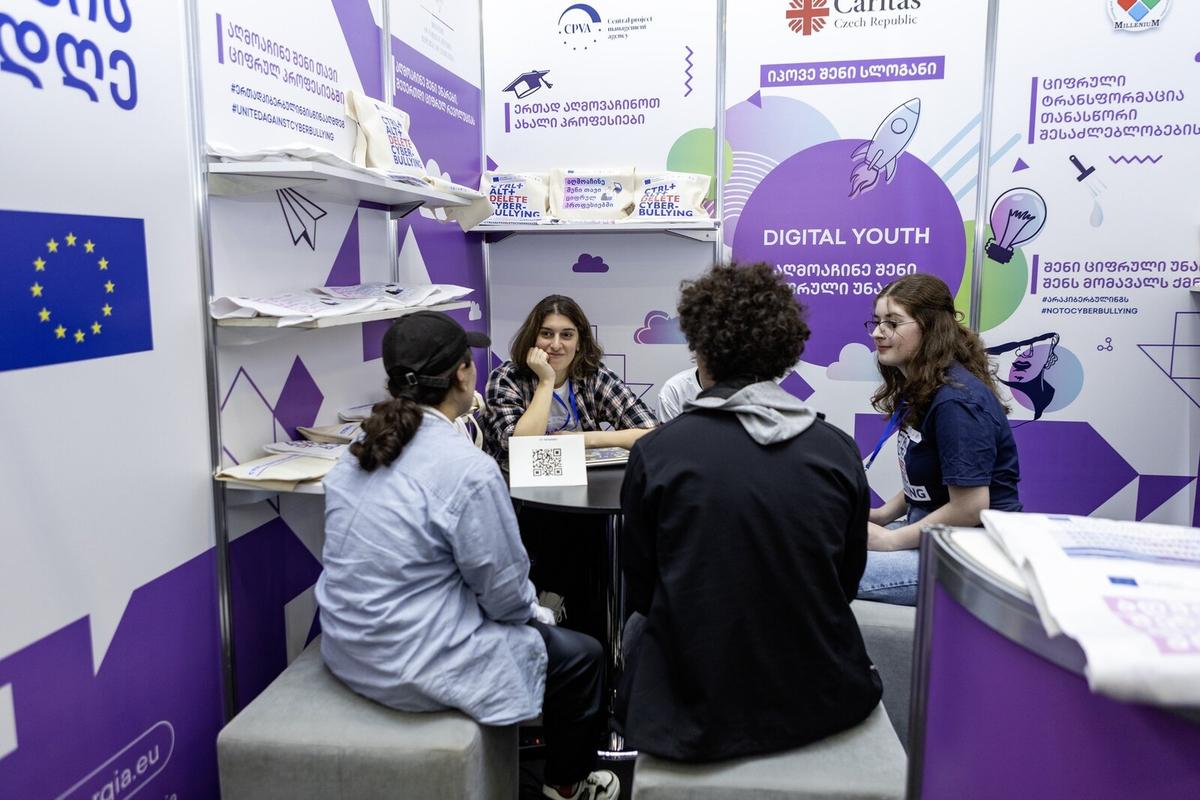
The guide supports customized retraining for young individuals based on their digital skills. Future developments will focus on enhancing strategies to engage more young people and assist individuals with disabilities in securing employment.
IT solutions for the better functioning of primary healthcare
A project aiding the Georgian population, supported by the Czech government, led to the development of several centralized electronic systems, including the COVID-19 laboratory system (CovidLab) and two-way integration engines for data exchange between medical institutions and laboratories.
The project also introduced an electronic system for unified queuing, telemedicine, and referrals through www.booking.moh.gov.ge, enabling advanced online appointment scheduling for COVID-19 vaccinations. This integration streamlined the management of laboratory samples and vaccinations during the pandemic.
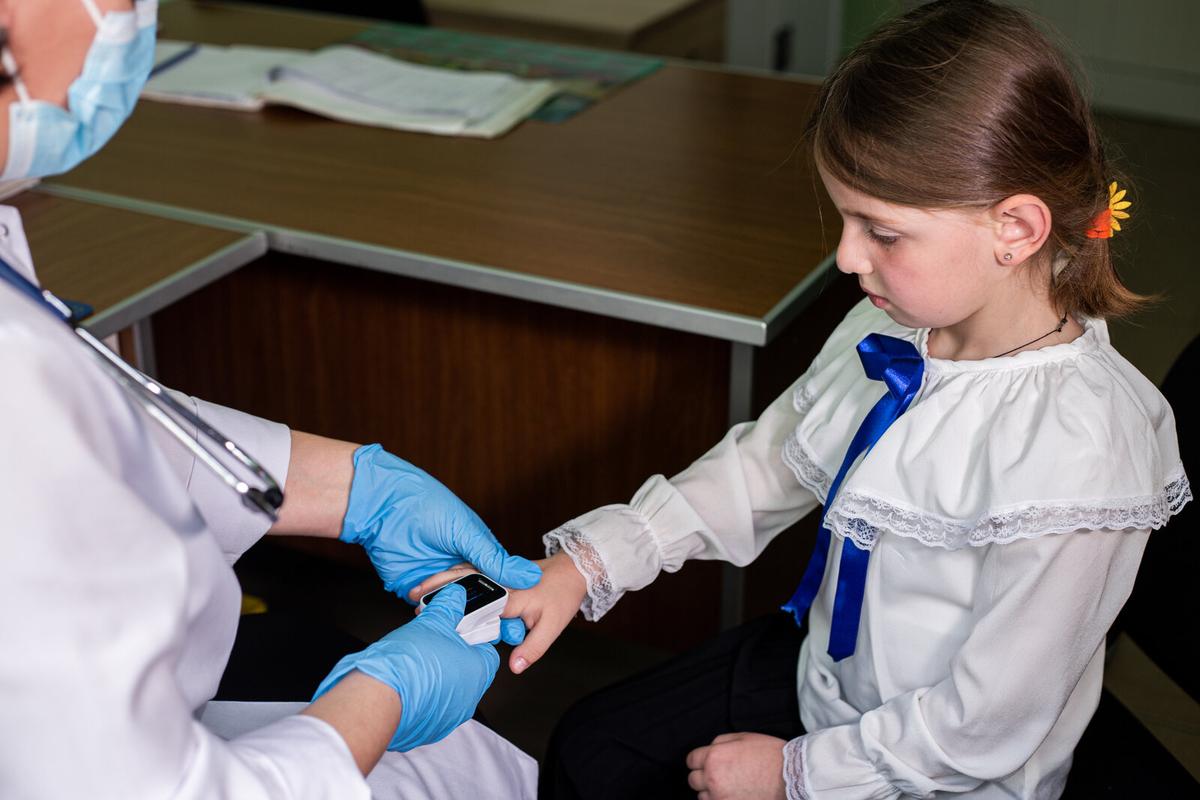
Additionally, the project developed and tested a unified medical health record system for primary healthcare, allowing for the secure collection and sharing of medical information with patient consent. This system supports accurate diagnosis and treatment planning. Efforts also included creating a management information system for primary healthcare facilities and digitising medical records, which is now operational in several institutions and has been piloted in various municipalities.
Legislative documents were also crafted to support the whole transition from paper records to digital processes in the health sector.
Introduction of telemedicine benefits to the rural doctors
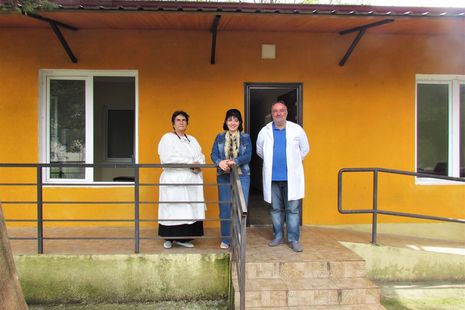
In Kabali village, six-year-old Lile and her mother visit family doctor Aza Macharashvili, who manages Lile’s health and development. For an upcoming school assessment, Aza suggested a telemedicine consultation with an early development specialist, eliminating the need for travel to the municipal center. This remote approach allows ongoing assessments without the time and expense of travel, ensuring access to specialized care.
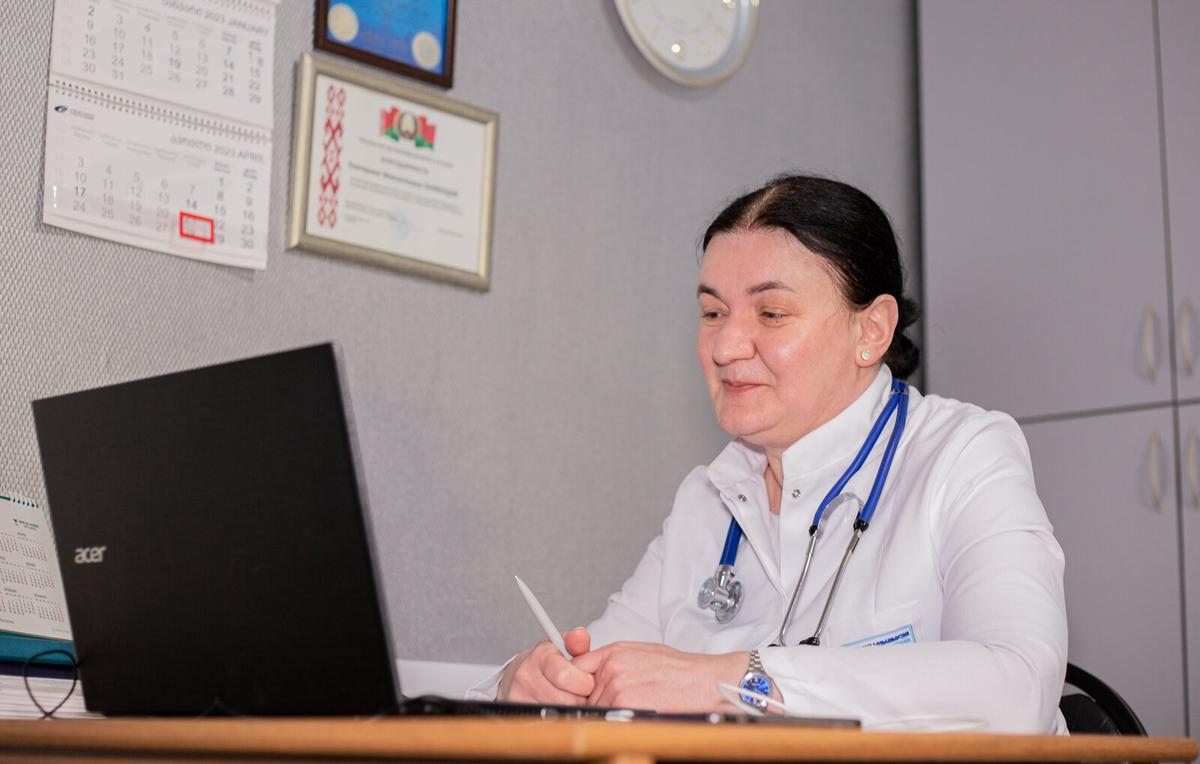
Telemedicine, which gained prominence during the COVID-19 pandemic, enables doctors to assess, diagnose, and treat patients remotely. With support from the European Union and UNICEF, Caritas Czech Republic Reaching every child in Georgia with Continuous and Quality Primary Health Care Services remote medical services in rural clinics, improving primary healthcare quality. This initiative is part of a continuous effort to enhance rural healthcare through innovations supported by the Union of Family Medicine Professionals of Georgia.
Caritas Czech Republic consistently leverages innovations to improve access to healthcare, social protection, rural development, and environmental protection services throughout Georgia.